

How Chari Is Helping Corner Shops Compete With Retail Giants
Fintech Chari is giving local shops across francophone Africa new ways to make money through financial services. The Moroccan startup now serves more than 40,000 users across six countries.

Around the world, local grocers like Morocco’s baqalas are a dying breed, struggling against retail giants. But one Moroccan company is fighting to keep these mom-and-pop shops running.
Chari is an app that helps traditional retailers in francophone Africa open new streams of revenue through financial services. Co-founded by husband-wife duo Ismael Belkhayat and Sophia Alj, Chari is focused on financial inclusion in Morocco and beyond.
“Today, we are an impact company that is helping the poor make more money. My ambition is to help hundreds of thousands, if not millions of shops, make more revenue,” Belkhayat says.
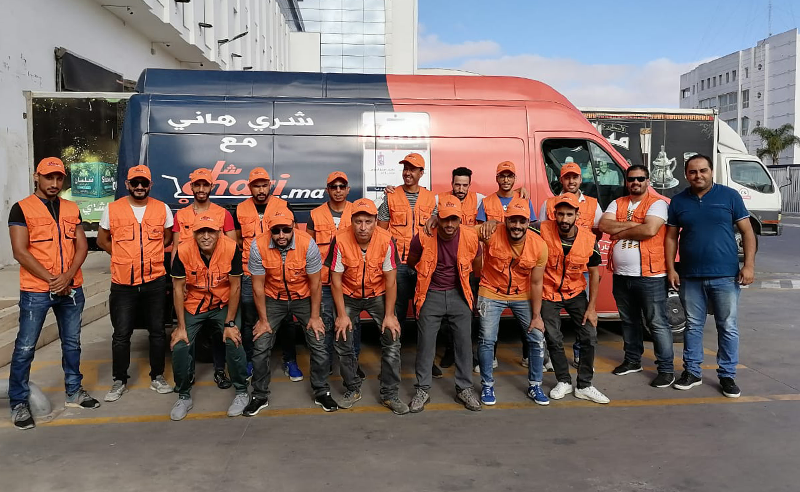
The company currently reaches more than 40,000 app users across 6 different countries, and over 15,000 have opened bank accounts with Chari.
So how does it work?
The fintech company offers micro-loans and banking services to local shops, allowing them to better track customer credit while offering financial services straight to customers for a commission. These services include credit top-ups, cash-outs, money transfers, bill payments and insurance distribution.
“We turn a normal shop into a financial services point-of-sale,” Belkhayat says.
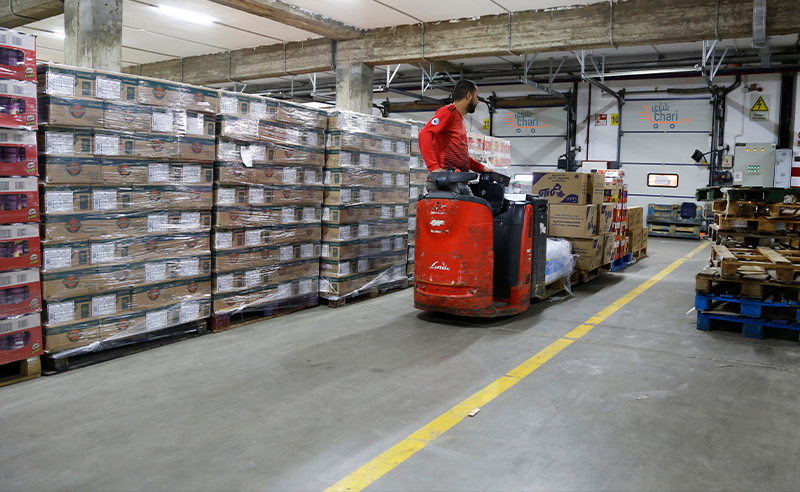
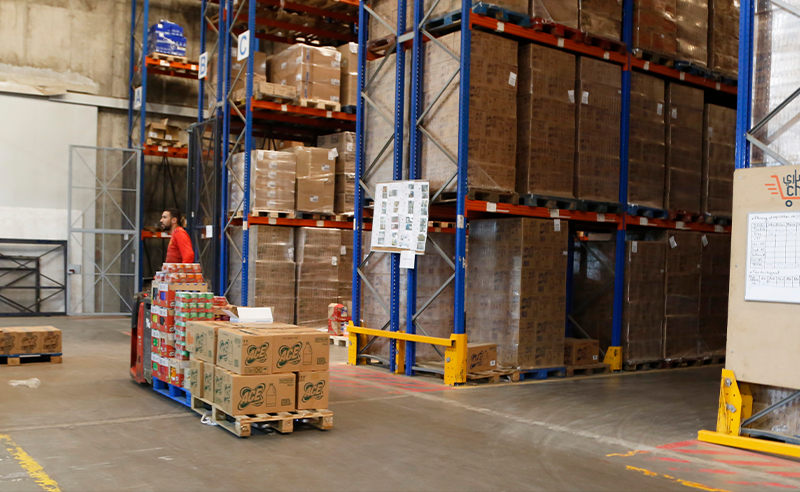
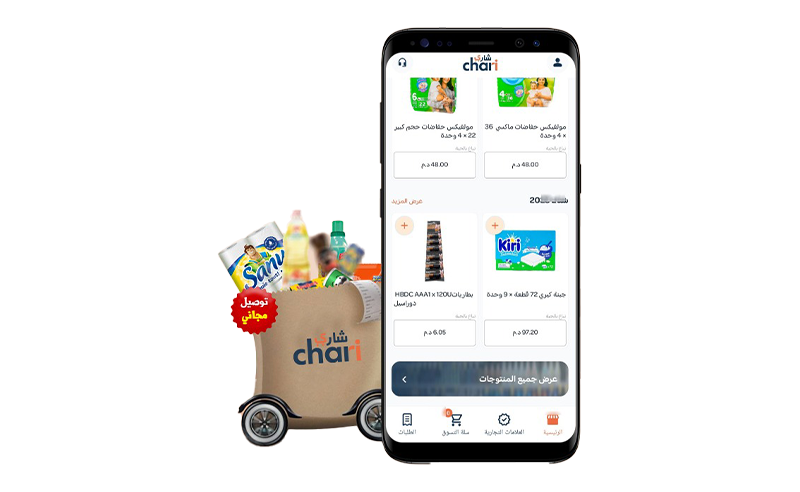
Before this shift to finance, Chari had originally come to life as an e-commerce app, allowing corner stores to order their goods with free delivery in less than 24 hours. Now, the app has successfully evolved into a financial manager of sorts.
“We realized that these small shops had even more problems, so we moved from being a business-to-business e-commerce platform to a fintech platform for baqalas,” Belkhayat says.
Chari’s pivot to finance came after Belkhayat and his wife noticed that these stores were limited in their growth opportunities. “They had a capped revenue — their clients are their neighbors.”
And in many ways, Chari is now digitizing the traditional shop’s functions.
When clients of the shops come and pay bills like water and electricity directly through the stores, shop owners make a fixed revenue of 20 cents on each bill paid. Other services like mobile top-up are commissions based, with owners taking 7 percent from each transaction.

Chari’s digital bookkeeping app Karny further allows local grocery stores to keep running on the traditional informal credit system with transaction tracking and automatic reminders.
“The reason why clients come to these stores and not a big chain is because the owners know their clients and give them credit,” Belkhayat says.
Chari also turns shopkeepers’ phones into card readers through a technology called near-field communication. For those whose phones don’t have that technology, Chari provides a Bluetooth-connected card reader, allowing its clients to accept card payments.
“When someone pays, the money goes instantly to the shopkeeper’s bank account. At once, we are both their card reader and their account,” Belkhayat says.
All of these features complement Chari’s efforts to work on the ground to improve financial and digital literacy among Morocco’s shopkeepers.
“When we started six years ago, many of them didn’t have a smartphone or 4G on their phone. So we had to do some education and show them how our technology works,” he says.
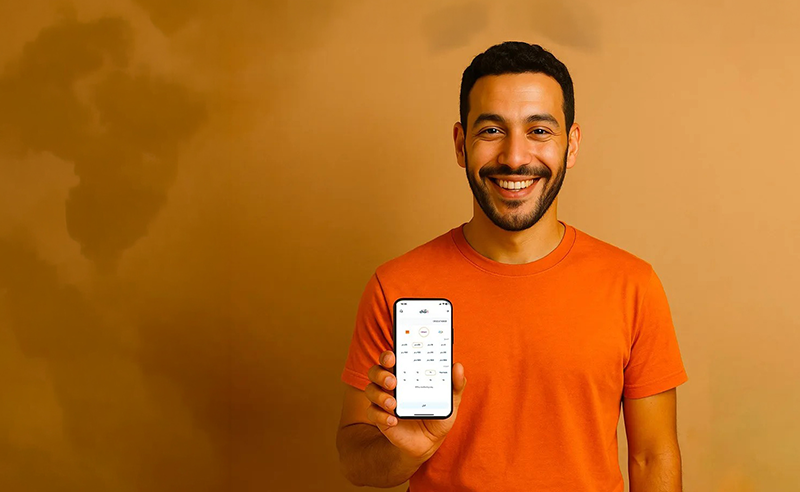
Now, the shopkeepers are spreading the app themselves and helping others learn how to use it.
“Happy customers who are being trained will talk about our services to others. At some point, my clients are the ones answering the problems,” he says.
The company has even formalized the word-of-mouth process in a way. “We have a team that we call the ambassadors team whose job is to go meet with all the shopkeepers we have in Morocco and educate and train them,” Belkhayat says.
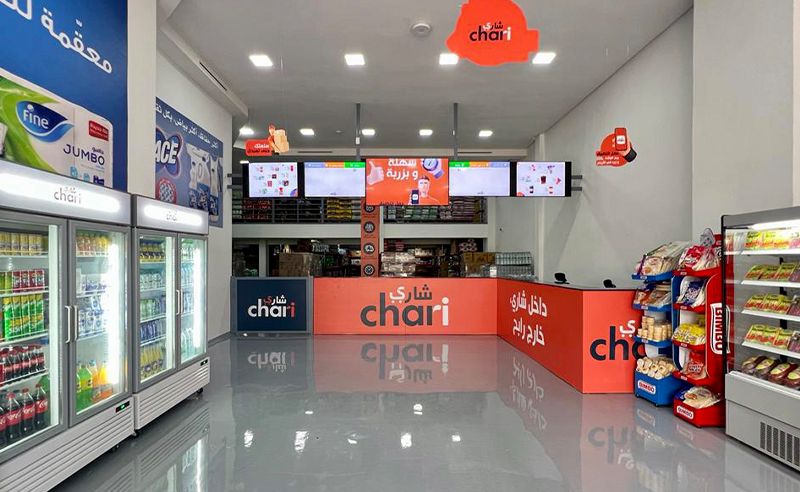
The ambassadors also disburse digital money to the shopkeepers while collecting cash payments. “They’re like human ATMs,” he explains.
Among French-speaking Africa, the app is not only limited to Morocco. “The same way we’ve succeeded in Morocco, our ambition is to duplicate Chari in other geographies,” Belkhayat says.
Chari has used its app to expand to six countries so far: Morocco, Tunisia, Ivory Coast, Cameroon, Senegal, and the Democratic Republic of the Congo. Because all six operate in French, Chari’s customer service team in Casablanca can handle customers across the region.
“There is a kind of a market of francophone Africa,” Belkhayat says.
And that’s where Chari’s bigger mission comes in: keeping these neighbourhood shops competitive enough to survive, and preserving a piece of the region’s local life in the process.
“These small shops are part of our Moroccan culture and heritage,” he says, “If nothing is done, they will end up disappearing because they will be killed by competition from the big chains.”
- Previous Article Vitalls Secures $1.5 Million Seed Commitment From EST Growmore