

12 Sharia-Compliant Fintechs Scaling Across the Middle East
From halal robo-advisors to blockchain-powered Islamic super apps, a new wave of Sharia-compliant fintechs is scaling fast across the Middle East and they're just getting started.
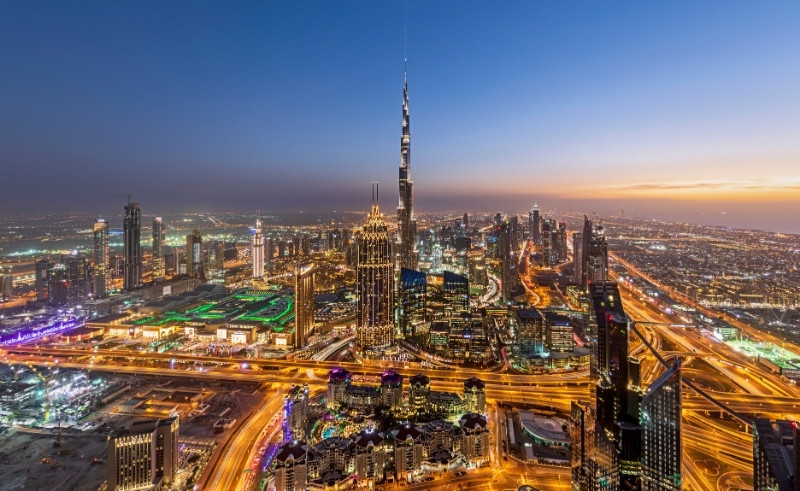
The global Islamic finance market - valued at roughly $3.18 trillion in 2024 and projected to hit $9.3 trillion by 2033 - is no longer the exclusive domain of legacy institutions. A new generation of Sharia-compliant fintechs is doing what conventional banks couldn't: wrapping century-old principles of profit-sharing, asset-backing, and ethical investing into mobile-first products that speak to a digitally native Muslim population.
In 2024 alone, the Islamic digital economy sector saw investments totalling over $733 million, with early 2025 data showing even stronger momentum, particularly across MENA. The engine behind the surge is both demographics and dissatisfaction. Fifty-six percent of Muslim millennials say they would actively use Islamic digital banking services if made available — yet 32% still lack access to Sharia-compliant options in their region. That gap is where a wave of agile, regulation-savvy startups are planting their flags, from Egypt to Riyadh to Manama.
Wahed Invest (USA/GCC/Southeast Asia)
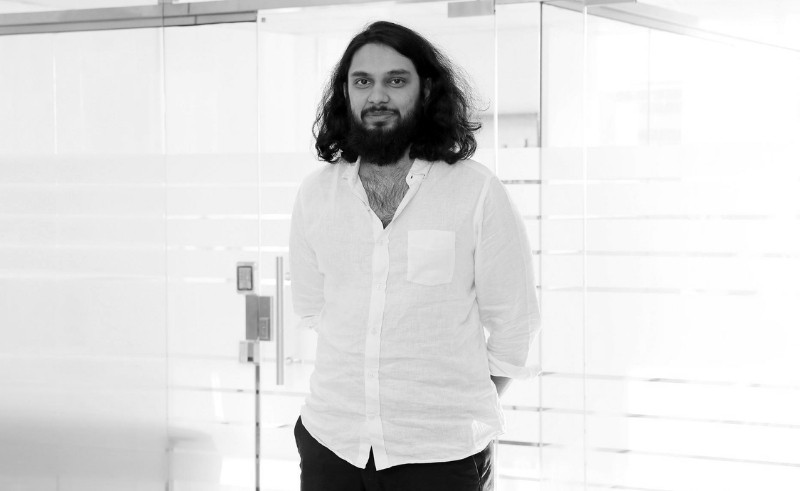
The pioneer of halal robo-advisory, Wahed has become the benchmark other Islamic fintechs measure themselves against. Operating across the GCC, Malaysia, and beyond, it builds diversified portfolios of equities, Sukuk, and commodities screened by a dedicated Sharia board. Wahed has gone further than most, launching Shariah-compliant UCITS ETFs with additional value-based screening — including considerations around human rights and social justice — signalling a broader shift toward ethical investing within Islamic finance. Most recently, Qatar Development Bank made a strategic investment in Wahed to expand its Shariah-compliant solutions across the Gulf.
Hakbah (Saudi Arabia)
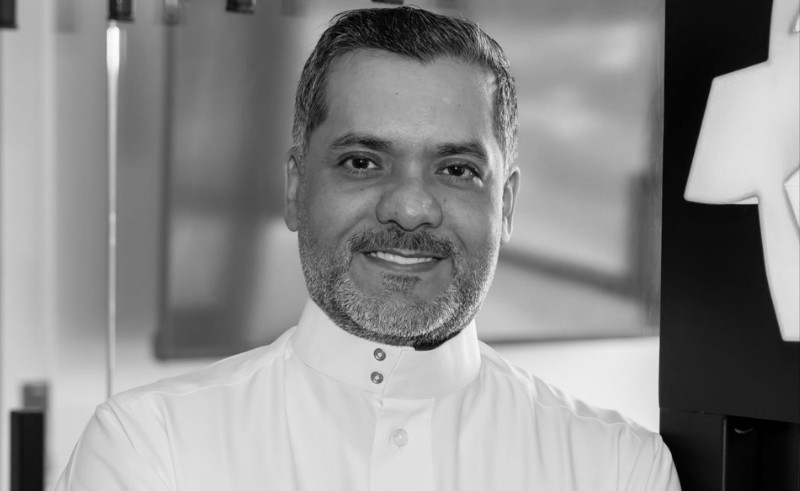
Built on the ancient jameya — the communal rotating savings tradition common across the Arab world — Hakbah digitised what was once an informal, trust-based arrangement and turned it into a regulated fintech product. The platform counts hundreds of thousands of users and bank and insurer partners, supporting Saudi Arabia's push to lift its 1.6% household savings rate. Hakbah holds a Visa partnership and operates within SAMA's regulatory sandbox, making it one of the more structurally embedded Sharia-compliant startups in the Kingdom.
Lendo (Saudi Arabia)
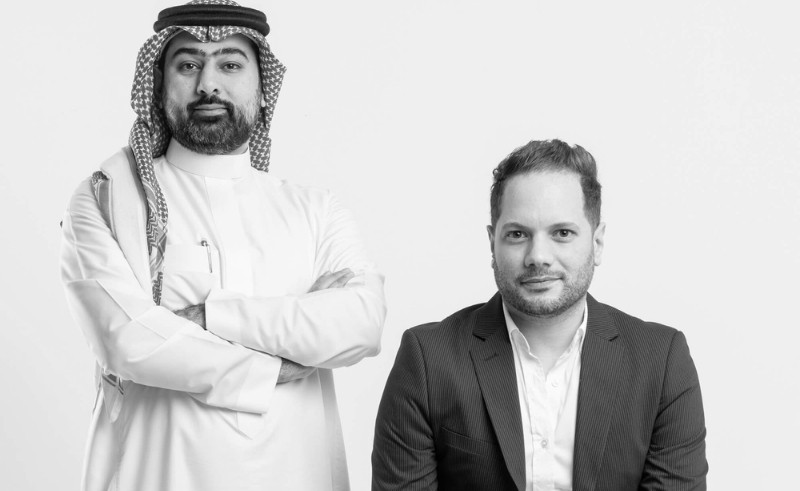
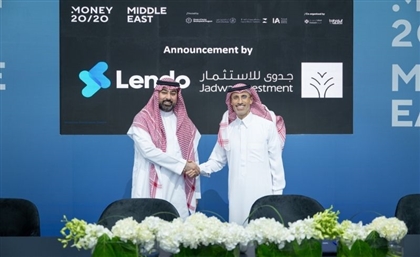
One of the most active P2P financing platforms in the region, Lendo targets the perennial pain point of SME cash flow. The platform offers Sharia-compliant lending solutions that turn unpaid invoices into quick capital — effectively building an Islamic alternative to conventional invoice factoring. With Saudi Arabia's SME sector central to Vision 2030's economic diversification goals, Lendo is well-positioned at the intersection of fintech and policy priority.
Raqamyah (Saudi Arabia)
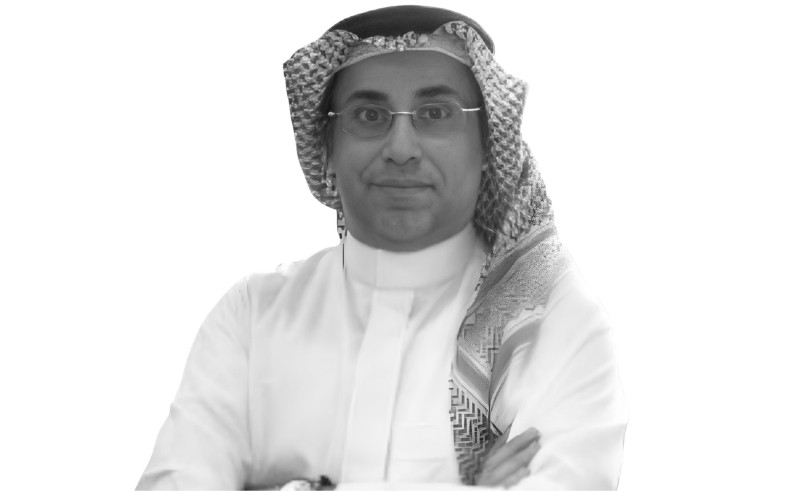
Another player in the Kingdom's fast-growing Sharia-compliant P2P financing space, Raqamyah connects retail investors with businesses seeking funding through profit-sharing structures. Operating under SAMA's crowdfunding regulations, it represents the more retail-accessible end of Islamic fintech — democratising participation in financing deals that were once available only to institutions.
Rain (Bahrain → GCC-wide)
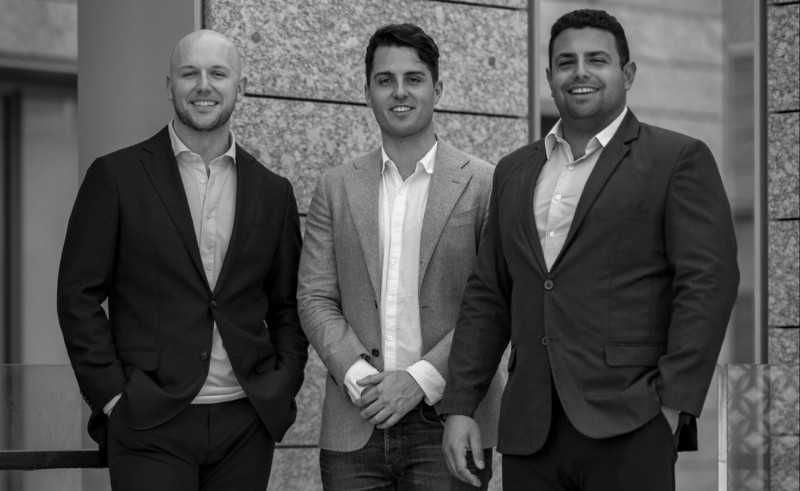
Founded in 2017 and based in Manama, Rain became the first regulated cryptocurrency exchange in the Gulf and the broader Middle East, capitalising on Bahrain's early-mover crypto regulations. Its Sharia certification and Central Bank of Bahrain licensing gave it legitimacy that most regional crypto platforms lacked. Today it is recognised as the largest digital asset investment platform in the Gulf region, serving users across Bahrain, UAE, Saudi Arabia, Kuwait, Qatar, Jordan, Egypt, Morocco, and Turkey with local currency support. Its $250 million Series C round at a $1.95 billion valuation marked one of the biggest Islamic fintech fundraises in recent memory.
Fasset (UAE/Global)
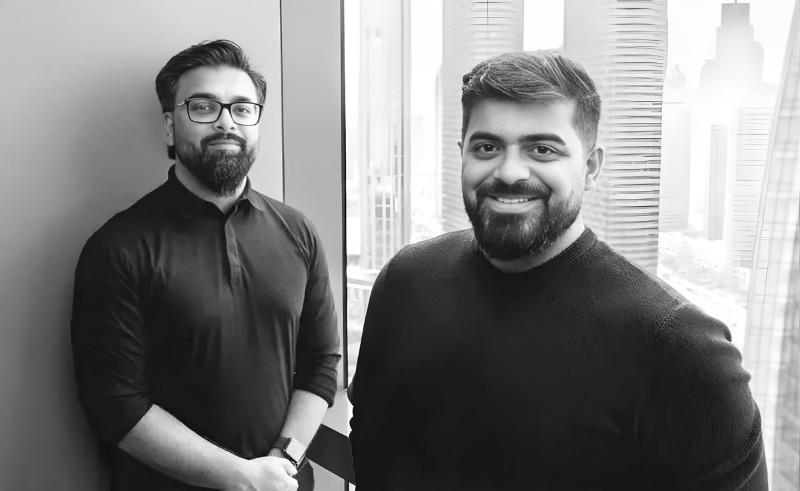
Among the most ambitious names in the space, Fasset is positioning itself as an Islamic Finance Super App with blockchain at its core. The company is utilising blockchain to offer fractional tokenised equities and blockchain-based payments, and is developing what it describes as the first stablecoin-based Shariah-compliant banking model — following the securing of a provisional banking license. It's one of the clearest examples of how blockchain's emphasis on transparent ownership and asset-backing maps neatly onto Islamic finance's foundational principles.
Sarwa (UAE)

Sarwa grew out of the DIFC sandbox with a halal portfolio option and a straightforward onboarding experience, building credibility with UAE-based Muslim investors who wanted something between a conventional bank and a full Islamic institution. It has since expanded its offerings and user base, proving that demand for digitally-delivered halal wealth management in the UAE is real and growing.
Beehive (UAE)
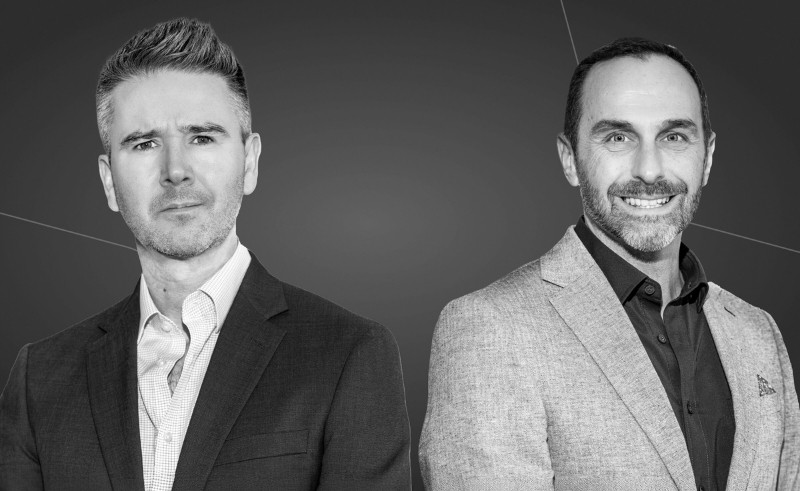
One of the region's earliest Sharia-compliant P2P lending platforms, Beehive was among the first to receive DFSA approval in Dubai. It connects investors with SMEs through profit-sharing structures and has remained a reference point for how Islamic fintech can operate within a rigorous regulatory framework. It has attracted investment from institutional backers and remains active in the GCC market.
STC Bank (Saudi Arabia)
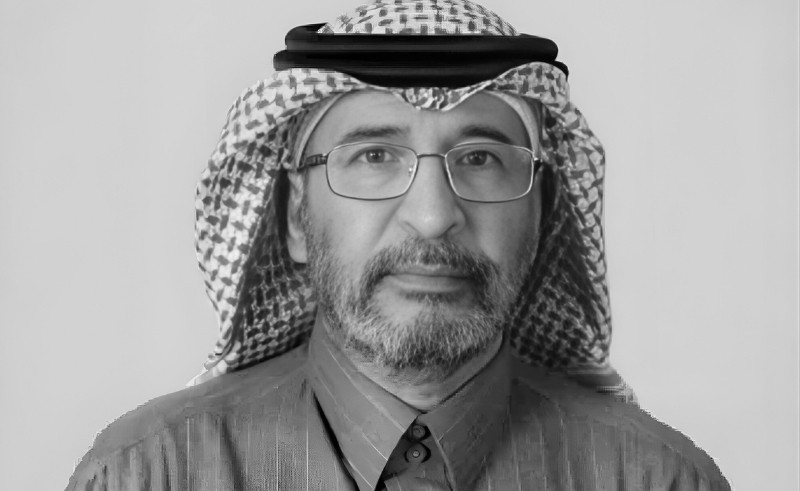
A newer but significant entrant, STC Bank — born from the telecom giant STC — represents the institutional end of the Sharia-compliant digital banking push. Following a successful pilot phase, STC Bank received a non-objection from SAMA in 2025 to officially launch as a digital bank, operating with Sharia Board approval and offering a range of Sharia-compliant financial services alongside diverse local and international payment methods.
Ruya Bank (UAE)
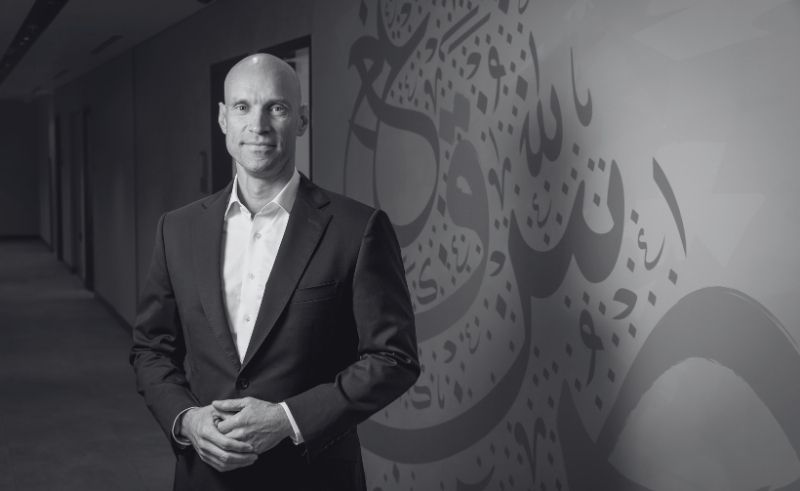
A newer arrival generating considerable attention in the Islamic fintech space, Ruya is a Sharia-compliant digital bank that made headlines by offering customers Bitcoin exposure within a halal framework. Ruya Bank's launch of Shariah-compliant Bitcoin trading reflects a broader regional trend of regulated Islamic institutions cautiously but deliberately entering the digital assets conversation — while keeping compliance front and centre.
MNT-Halan (Egypt - Turkey, Pakistan, UAE)
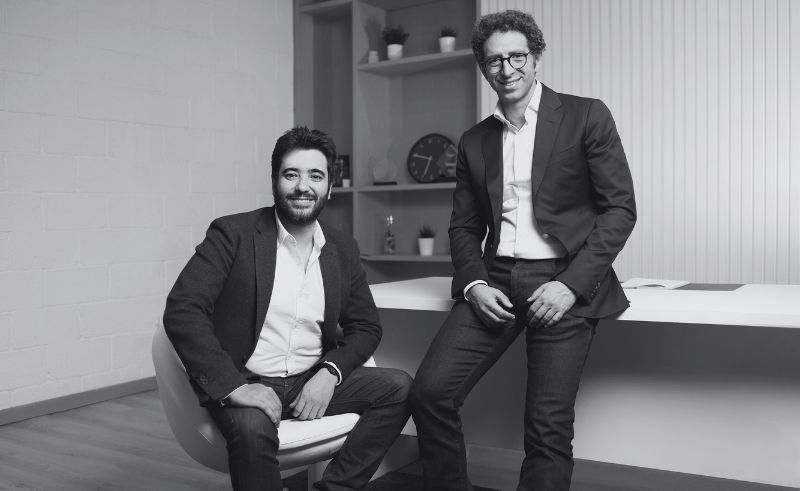
Egypt's first fintech unicorn — and one of the most compelling scaling stories in the region — MNT-Halan started in 2018 with a mission to bank the unbanked, and has since grown into a super-app serving over 8 million customers across Egypt, Turkey, Pakistan, and the UAE. While its lending and payments infrastructure spans both conventional and Islamic products, its Sharia-compliant investment offerings are fully regulated by Egypt's Financial Regulatory Authority. Through its microfinance arm Tasaheel, MNT-Halan is planning a $189 million sukuk issuance in 2026 to scale Sharia-compliant SME financing — a sign that the Islamic finance layer of its model is becoming central, not peripheral, to its growth strategy.
Sabika (Egypt - Gulf)
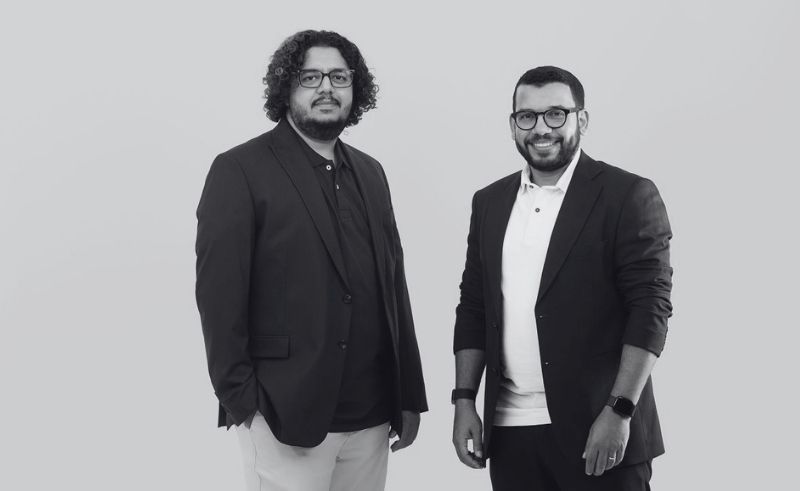
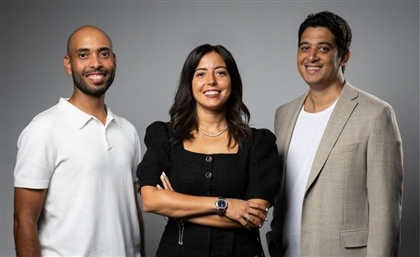
A newer but telling entry, Cairo-founded Sabika is a Sharia-compliant digital platform for gold and silver investment — an asset class that maps naturally onto Islamic finance's insistence on tangible, asset-backed transactions. Founded in 2022 by Ibrahim Anwar and Mohammed Darwish, the startup secured fresh investment in 2025 to fund platform enhancements, AI-driven features, and a Saudi expansion push. It's a smaller player, but one that speaks to a specific and underserved need: giving Egyptian and Gulf savers a compliant, transparent, and fully digital way to hold precious metals as wealth protection.
- Previous Article QIA Joins $500M Round for US-Based Aerospace Startup Vast
- Next Article Flend: The Fintech Startup Bankrolling Egypt’s Economic Backbone