

5 Startups Perfecting the WFH Model for MENA's Remote Workers
From freelancer marketplaces to AI payroll and remote hiring, these MENA startups are building the tools, systems and talent pipelines that make distributed work practical across the region right now.

Remote work in the MENA region is settling into something more permanent. Around 85% of professionals say they prefer flexible roles, while freelance demand continues to climb, with most employers planning to rely more on independent talent. Governments across the region are also adjusting, introducing remote work programmes and long-stay visas aimed at mobile professionals. What’s emerging is a broader shift in how work is structured. A new group of startups is building the systems behind that shift, from hiring platforms to payroll infrastructure, quietly shaping how companies operate across borders.
Ureed

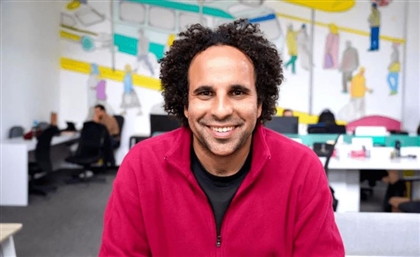
Ureed sits at the centre of the region’s growing freelance economy, connecting companies with vetted talent across writing, translation, design, and tech. Launched in Dubai in 2017, the platform grew out of Tarjama’s ecosystem under founder Nour Al Hassan, with Marwan Abdelaziz leading as CEO. Its acquisition of Nabbesh expanded both its talent pool and regional footprint, reinforcing its role as a go-to marketplace for businesses leaning on flexible hiring. A seven-figure seed round in 2020 helped accelerate that growth, positioning Ureed as a steady layer in MENA’s freelance infrastructure.
Squadio
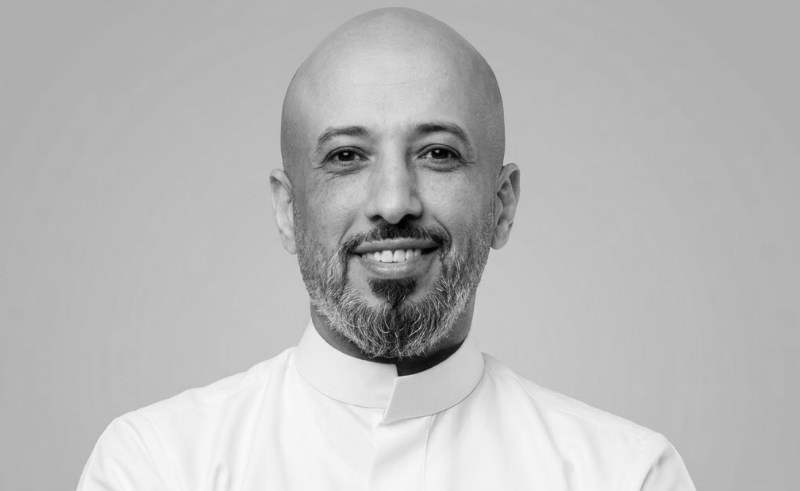
Hiring remote tech talent often slows companies down; Squadio was built to remove that friction. Founded in Riyadh in 2019 by CEO Khaled Senawy, the company connects businesses with engineers, designers, and product specialists drawn from a network of more than 55,000 professionals. It has already worked with over 450 companies across multiple markets, including Saudi Arabia, the UAE, and the US. A $3 million pre-Series A round in 2025 is now backing its expansion, with a focus on AI-driven talent matching and faster team assembly.
Cercli

Running payroll across borders remains one of the more complicated parts of remote work, and Cercli is building its business around simplifying that process. Founded in Dubai in 2024 by Akeed Azmi and David Reche, the startup provides payroll, HR, and compliance tools designed for distributed teams. It has processed more than $100 million in salaries across over 50 countries, alongside rapid revenue growth in its first year. Backed by $16 million across seed and Series A rounds, Cercli is positioning itself as core infrastructure for companies hiring beyond a single market.
MENA Alliances
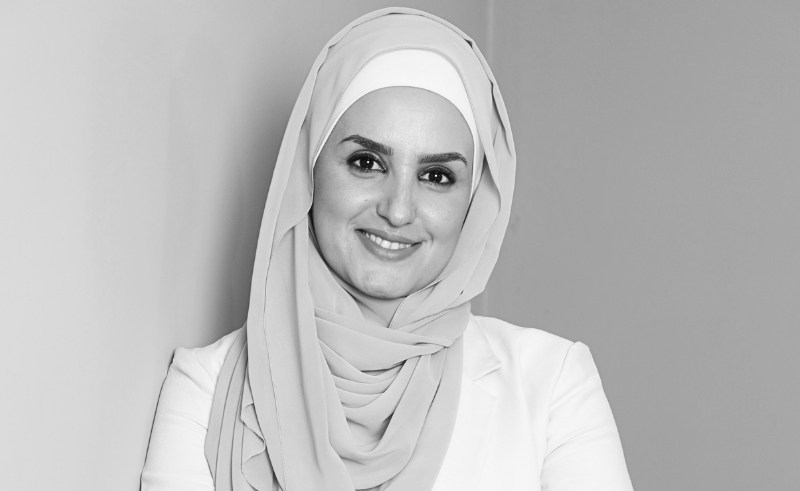
MENA Alliances approaches remote work through access, focusing on connecting global companies with talent from underrepresented parts of the region. Founded in 2015 in the West Bank by Abeer Abu Ghaith, the company builds remote teams while also investing in training and long-term employment pathways. It has created hundreds of jobs and worked with more than 80 clients, embedding a social dimension into the remote-work model. Its approach highlights how distributed work can reshape access to opportunity across borders.
Talents MENA
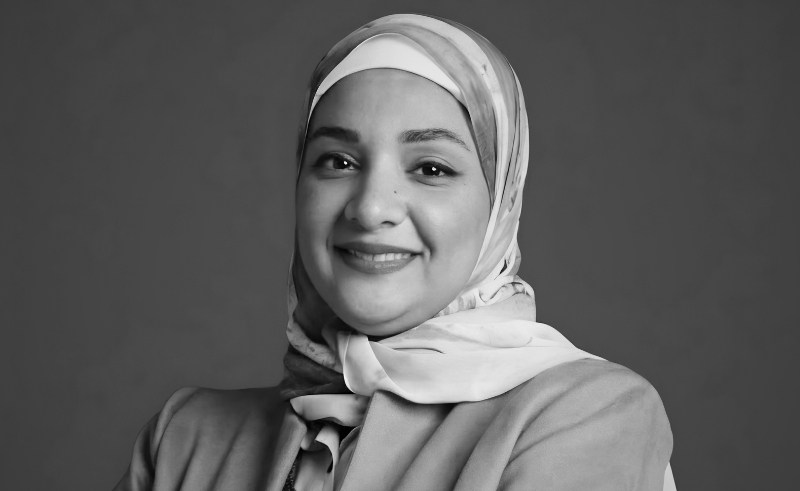
Talents MENA reflects the early-stage energy of the region’s freelance ecosystem, combining talent matching with training and community-building. Founded in Cairo in 2021, the platform connects freelancers with employers while supporting skill development along the way. Public data around its scale remains limited, but its model aligns with a wider shift towards flexible, project-based work among younger professionals. It captures a growing segment of the market still taking shape.