

Machinat: The Startup Digitising Commercial Vehicle Trade in Egypt
Machinat’s founders turned an offline, data-deficient market into a fully-integrated digital ecosystem for new and used vehicles.
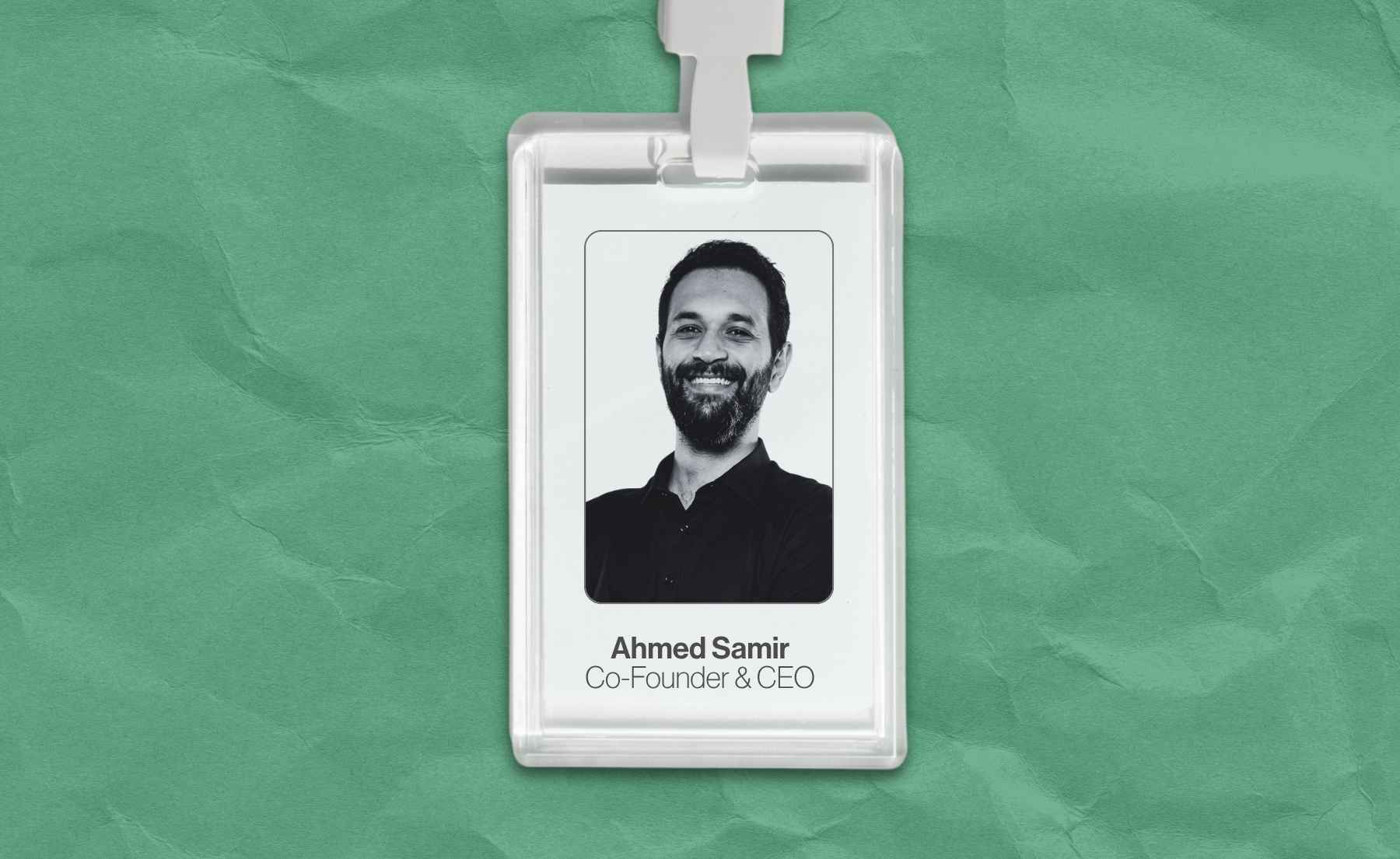
For this installment of NextGen, our series spotlighting emerging entrepreneurs across the region, we focus on Cairo-based startup Machinat. Machinat is a digital marketplace taking on Egypt’s fragmented commercial vehicles market, an often-overlooked sector at the heart of domestic logistics. Beyond a place to buy and sell trucks, buses, and vans, however, Machinat has brought the entire offline ecosystem since launching in July 2025 into one digital platform, including financing, insurance, and aftersales.
“Everything is moving towards digital online ecosystems in Egypt - with the exception of commercial vehicles. It’s a very decentralised, offline industry,” says Ahmed Samir, CEO of Machinat. “We’re trying to put the whole ecosystem in one platform. Instead of dealing with A for procurement, B for insurance, and C for financing, you’ll deal only with Machinat and we’ll open up the entire network for you.”
For individual buyers in this market, such as truck-drivers whose vehicles might be their livelihood, the sell is clear. “Individuals waste a lot of time in the process of buying used vehicles, so we’ve given them a digital market instead of them having to travel around Cairo and Egypt and search,” explains Samir. But in addition to the B2C and C2C model inherent in their market platform, Machinat also operates a B2B model that is central to their revenue streams.
For instance, Machinat can act as a procurement arm for small and medium-sized enterprises (SMEs). “Many SMEs whose domain is not logistics, but who have logistics operations, don’t have the budget to buy new vehicles. We wanted to fix this procurement issue without representing only one specific brand.”
If an F&B company needs a fleet of ten delivery vehicles, for example, they could approach Machinat with this request. Machinat’s team would try to more precisely identify their needs, and then tap into their network of partners and service providers to fulfil the request.
Critically, Machinat does not charge any money for this consultation process (yet). Instead, they only take commission fees from the sellers’ side once the order has been placed. They also have a subscription-based model for showrooms and other large sellers on the platform who have many concurrent listing, but for buyers and individual sellers, Machinat’s platform is fee-free.
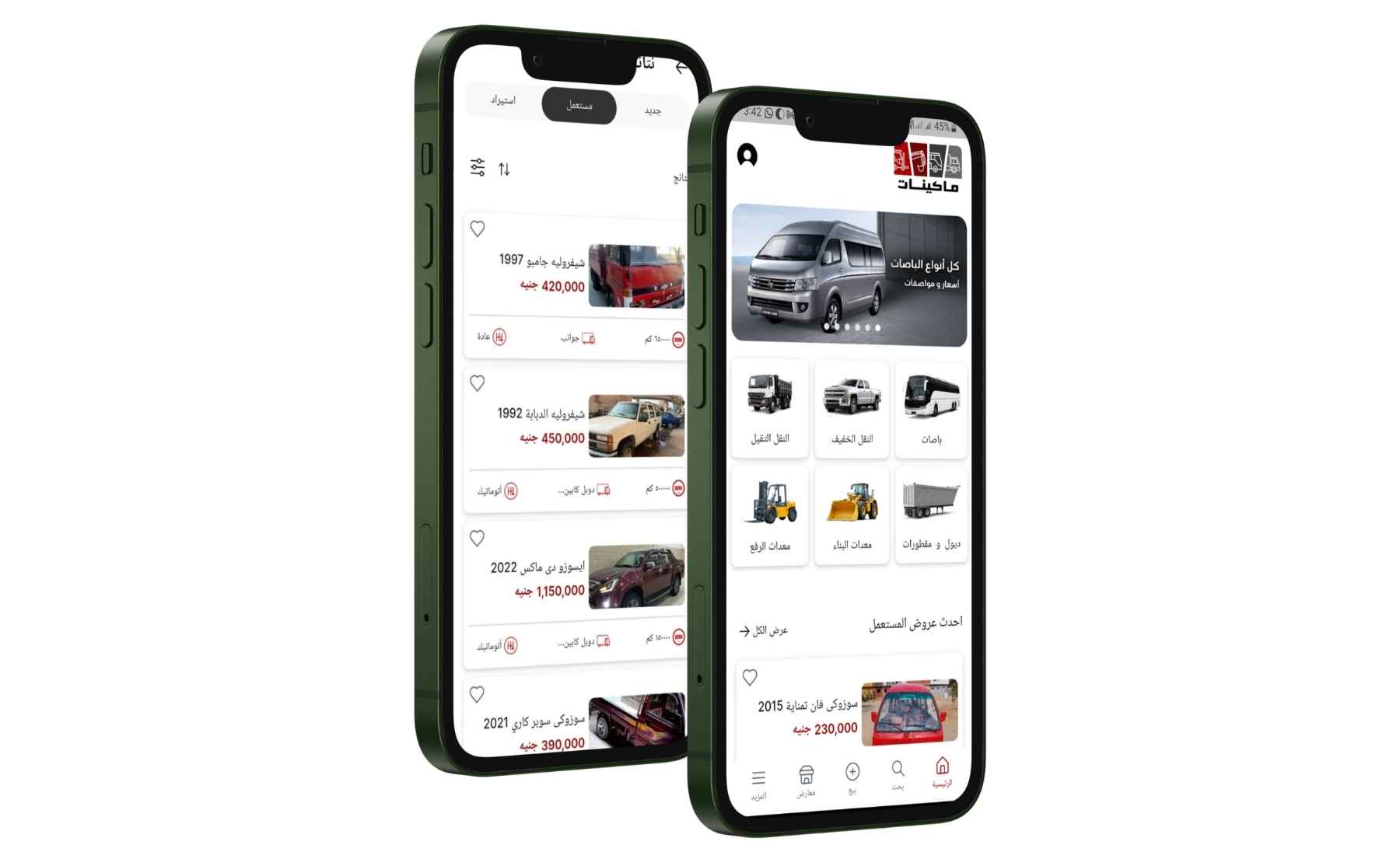
“We do not make any revenue off of C2C transactions,” says Samir. “It’s not our target to monetize this.” Instead, by making their platform free-to-use, Machinat hopes to acquire more customers onto their platform, which has thus far been a recurring challenge.
According to Samir, Machinat’s main B2C audience is likely to resist new technological solutions. In response, Machinat has had to get hands-on in acquiring new customers. “We go on ground to rest stops and transit hubs and speak to drivers, offering them cashback or financing incentives, which 70% of our B2C customers look for.”
In other parts of this ecosystem, however, Machinat’s progress has faced much less friction. Their partner network of showrooms and distributors already covers all of Egypt, and most of their customers who look for financing are able to find it directly through the platform. This kind of connectivity was possible because Machinat’s founders have decades of combined experience in logistics, rather than just a tech-savvy background and a bright idea. In fact, this competitive edge was vital to Machinat’s initial success: when Samir and his co-founders launched the startup, the main obstacle they faced was not a technological one, but an information one. Launching Machinat required collecting market data that was basically non-existent.
“The industry was very under-documented, and the data we’ve collected over the past six months wasn’t available even for the distributors inside this market who want to better understand it,” says Samir. Now, after lengthy market research throughout all of Egypt, Machinat has turned that data deficiency into a key asset for their company with insights that could potentially become a new revenue stream down the line.
“Everyone saw the gap that existed, but no one could fill it because they were not in this domain. We have the logistics background as well as the tech background,” says Samir. Originally a software engineer, Samir was the COO of Al-Masreya Trucks for 10 years, while his co-founders also bring with them a wealth of industry experience.
As Machinat looks to expand their operations as well their team, this combination of industry as well as technical knowledge might be the key to the company's success as Egypt’s go-to platform for commercial vehicles.
- Previous Article How do Egypt's New Short-Selling Rules Work?
- Next Article PARAGON | ADEER Plan $1.4B Project in Mostakbal City