

Egypt Ranks Third in MENA for Investment Openness
Fitch flags rising FDI across energy, automotive, ICT and renewables, underpinned by a single-approval regime and the golden license, placing Egypt after Saudi Arabia and the UAE in MENA.
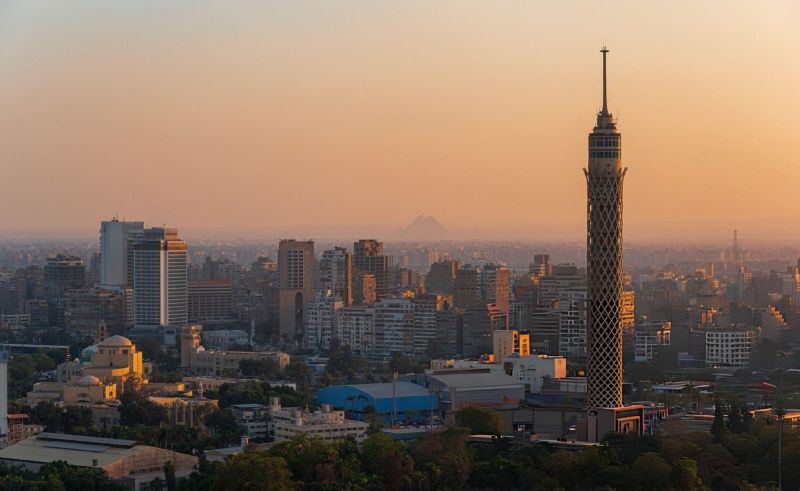
Egypt has ranked third among 18 Middle East and North Africa markets for investment openness, and 27th globally out of 202 countries, according to a report by Fitch Ratings reviewed by the Cabinet’s Information and Decision Support Center.
The ranking reflects recent regulatory reforms, including a single-approval regime for project licences introduced in 2023 and the “golden license” system, which grants unified approval to establish, operate and manage projects within 20 working days.
The report cited expanding foreign direct investment inflows across sectors including oil and gas, automotive, information and communications technology, food manufacturing, renewable energy, infrastructure and financial services.
It also pointed to structural factors supporting investment, including economic growth, strategic geographic location, competitive labour costs, a skilled workforce, a large domestic market, energy resources and tourism potential, alongside continued financing from Gulf countries.
A flexible exchange rate aligned with International Monetary Fund recommendations is expected to support foreign currency inflows in the short to medium term.
The country is targeting around $60 billion in foreign direct investment between 2026 and 2030, a figure comparable to Africa’s total annual FDI flows, which typically remain below that level.
Fitch identified Egypt as a key investment destination in North Africa, attracting multinational companies in industries such as automotive, pharmaceuticals and electronics.
Recent policy measures include incentives for green hydrogen projects, expanded manufacturing activity, and development across infrastructure and special economic zones, including the Suez Canal Economic Zone.
The analysis also highlighted growing international participation, including Chinese investment under the Belt and Road Initiative, with projects spanning transport infrastructure and industrial zones.
Reforms since 2014 have also opened the renewable energy sector to private investment and reduced electricity subsidies, with a target to generate 42% of electricity from renewable sources by 2030.
Foreign investment continues to be driven by partners from the European Union, the United States and Arab markets, with the United Arab Emirates identified as the largest investor in 2024/2025, followed by the United States, the United Kingdom, Italy, Saudi Arabia and Kuwait.