

Rology is Building a Regional Teleradiology Network Out of Cairo
Rology built a cloud-based, AI-assisted teleradiology platform to eliminate reporting delays, connecting hospitals to radiologists and expanding diagnostic access across underserved markets globally.
For many hospitals across the MENA region, a medical scan is only half the battle. The true bottleneck lies in the days, or even weeks, it takes for that image to reach the right specialist for interpretation. This diagnostic gap was the catalyst for Egyptian healthtech, Rology - a response to a system where proper IT infrastructure was almost non-existent.
“One of our earliest real-world use cases was a rural radiology centre in Egypt that had no proper radiology IT infrastructure and had to physically send scans to Alexandria for interpretation on a bi-weekly basis,” says Amr Abodraiaa, the company’s co-founder and CEO. “That was the moment the need became impossible to ignore.”
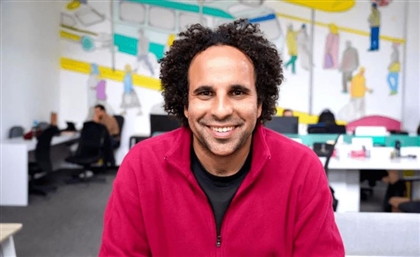
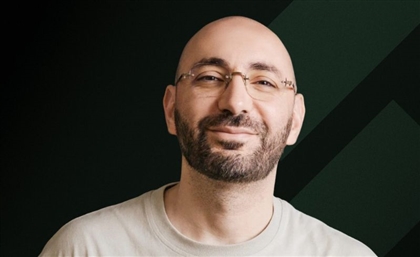
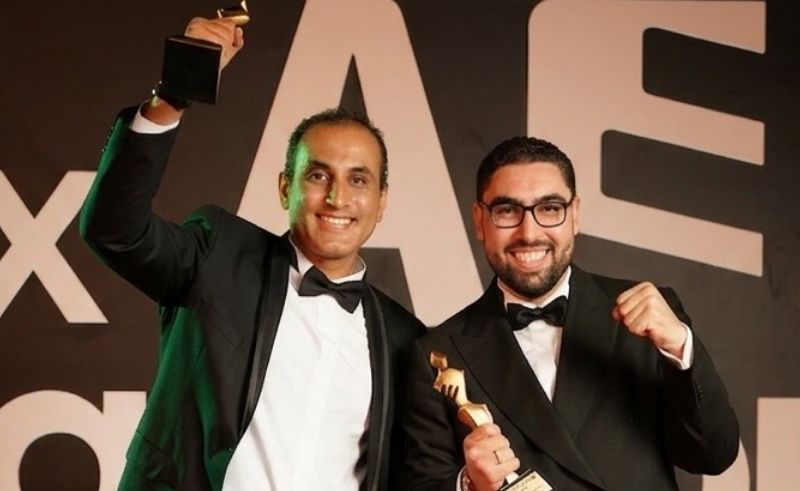
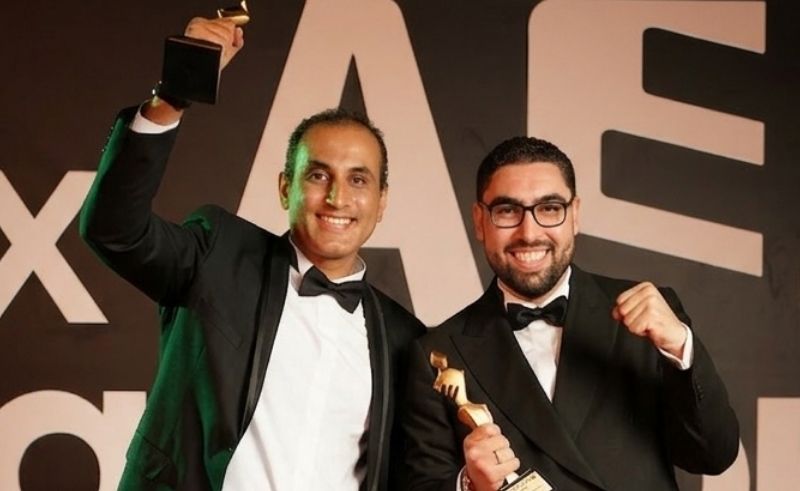
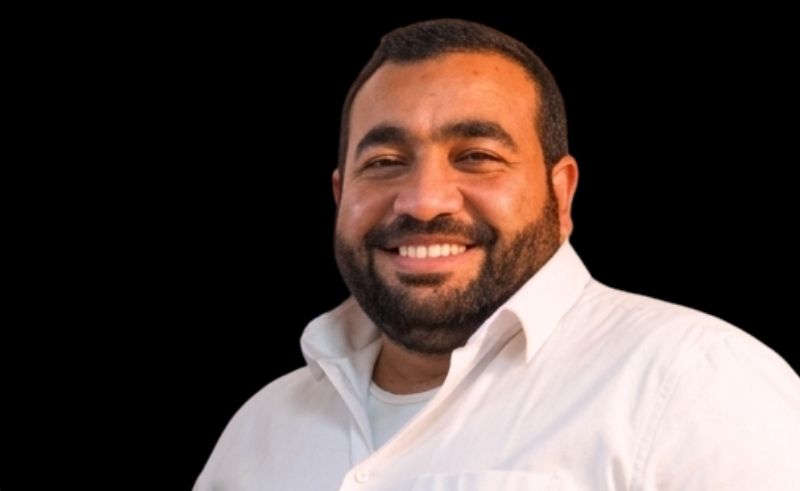
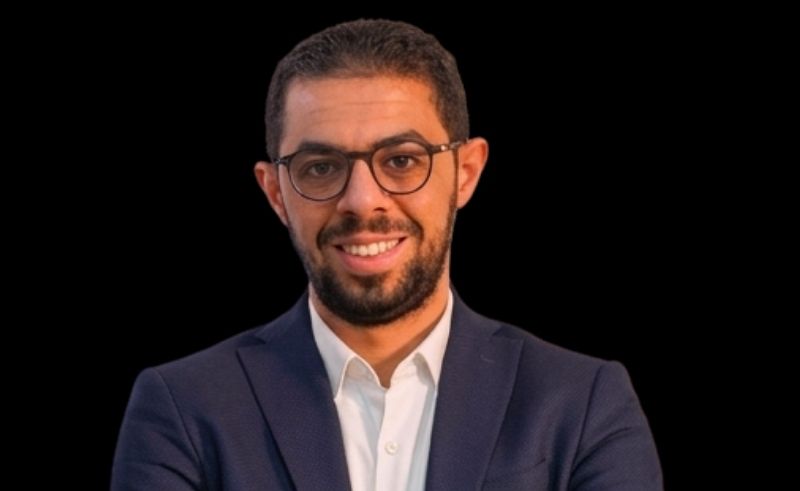
Founded in Cairo in 2017 by Amr Abodraiaa, Moaaz Hossam, and Mahmoud Eldefrawy - the trio serving as CEO, Chief Business Officer, and Chief Medical Officer respectively - Rology set out to rebuild radiology reporting from the ground up. It is cloud-based, AI-assisted, and accessible to any hospital willing to upload a scan. Eight years on, the platform has delivered more than 1.5 million radiology reports across 369 hospitals in 12 countries, supported care for 1.3 million patients, and built a network of 341 radiologists and 619 radiographers. It is also, as of 2023, the only FDA-cleared on-demand, two-sided teleradiology platform in the world.
The global shortage of radiologists is a considerable crisis. The World Health Organization estimates that two-thirds of the world’s population lacks access to basic radiological services. In the United States alone, demand for radiology services already exceeds supply by approximately 10%. In the Middle East and Africa, the imaging equipment is increasingly available, but the subspecialised expertise needed to read those images is not.
Rology’s founding team understood this because it was a daily operational failure they had witnessed firsthand. “We did not start from the perspective of ‘How do we deploy technology?’” says Hossam. “We started from ‘How do we help hospitals get faster, high-quality radiology reports without requiring expensive infrastructure or on-site specialists?’ That problem-first approach continues to shape our product and our expansion strategy today.”
Eldefrawy, the company’s medical co-founder, had experienced the operational constraints of radiology from inside the system. “Rology’s direction was deeply shaped by the fact that it was founded by people who understood both the clinical and operational realities of healthcare,” he explains. “Our medical co-founder experienced the bottlenecks in radiology firsthand, while the business and technology side of the founding team understood how difficult it is for hospitals to adopt complex systems in fragmented markets. That combination pushed us to build something practical rather than theoretical.”
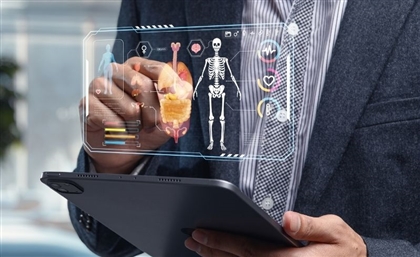
The mechanics of Rology’s platform are simple: a hospital or imaging centre uploads a scan - X-ray, CT, MRI, ultrasound - to a secure cloud-based system. An AI layer then routes the case based on modality, subspecialty, urgency, and the availability of qualified radiologists in its network. A radiologist reviews the study remotely, issues a structured report, and sends it back to the hospital. The whole process, which once took days or weeks in legacy systems, can now be completed in hours.
“For example, a complex neuro case should go to someone with the right expertise, while an emergency chest case may need to be prioritised immediately and routed to the next available qualified sub-specialised reader. The objective is not just to assign work efficiently, but to ensure that every case is read by the right expert at the right time,” Abodraiaa explains.
In a field where a misread scan can mean the difference between a treatable and terminal diagnosis, the company has drawn a firm line between automation and clinical judgment. “AI in our workflow is designed to support radiologists, not replace them,” says Hossam. "It automates the repetitive, prioritises the urgent, and supports structured reporting, but the final clinical decision always belongs to the radiologist. AI works best when it augments the physician, not when it tries to replace one."
The platform integrates into hospital systems in under thirty minutes, requires no capital investment in hardware, and charges per scan rather than through fixed infrastructure fees. It currently boasts a 99.8% accuracy rate.
In Rology’s early years, the team was evangelising a concept that had no established precedent in many of its target markets.
“At the time, remote radiology reporting was not yet widely accepted in the market, so there was a lot of education involved with hospitals, physicians, and administrators,” Eldefrawy recalls. “Trust was another major factor; in healthcare, speed alone is never enough. Hospitals needed to be confident that quality, reliability, and clinical accountability would remain intact. Building that trust took time, strong physician engagement, and consistent delivery.”
The 2023 FDA 510(k) clearance - a designation that classifies Rology’s platform as a Class II medical image management and processing system - became the company’s most powerful credential. A platform built in Cairo was meeting the same regulatory standards as any medical software built in the United States or Europe. “Becoming the first FDA 510(k)-cleared two-sided, on-demand teleradiology platform was a major validation of both our technology and our clinical model,” says Abodraiaa. “It showed that a platform built in this region can meet global regulatory and quality standards.”
Rology now operates in 13 countries, with offices in Egypt, Kenya, and Saudi Arabia. Its three anchor markets tell three different stories about the demand for teleradiology and about the variety of problems a single platform can solve.
“Saudi Arabia has been one of our fastest-growing markets, driven by strong demand, a supportive digital health environment, and a broader national push toward healthcare transformation,” says Hossam. “Our model aligns well with that direction because it improves access, speed, and quality while reducing operational burden on providers. Kenya has also been a very important growth market for a different reason; in many underserved settings, access to radiology expertise is limited, so the value of fast remote reporting is immediate and tangible.”
Egypt, meanwhile, remains the company’s home base and largest product development market and one where Rology’s impact is not limited to private hospital corridors. In December 2025 alone, approximately 34.69% of patients served by the platform came from rural areas.
The company’s investor roster includes the Philips Foundation, Johnson & Johnson Impact Ventures, Sanofi’s Global Health Unit Impact Fund, and MIT Solve. These are among the 22 investors who have backed the company to date, with total funding reaching $4.77 million. “The round came as a result of both operational growth and growing alignment with partners who share our view that access to diagnostics is one of the most critical gaps in healthcare systems today,” Abodraiaa says.
The capital will be deployed towards advancing Rology’s AI roadmap, including automated and grounded reporting tools; deepening its footprint in Saudi Arabia, Kenya, and Egypt; and building partnerships with hospital networks and public sector stakeholders across the broader MEA region.
For all its momentum, Rology is not scaling into a frictionless environment. “One of the biggest challenges is the continued dependence on legacy systems and outdated infrastructure,” says Eldefrawy. “Many healthcare providers still invest heavily in old hardware-based models that are expensive, difficult to scale, and not built for the speed or flexibility modern healthcare now requires. In many cases, there is also a tendency to prioritise imported solutions over local ones, even when local companies are often better positioned to understand the realities of the market and build for them.”
“Over the next five to ten years, we see Rology becoming a borderless diagnostic infrastructure platform,” says Abodraiaa. “Regionally, we want to be the leading AI-enabled radiology layer across the Middle East and Africa, helping health systems deliver faster and more equitable access to diagnosis.”