


GCC Markets Open With High Volatility Amid Escalation Regional Conflic
Investors have pivoted to defensive positions as tensions between Iran and Israel impact regional exchanges and raise concerns over energy supply stability.
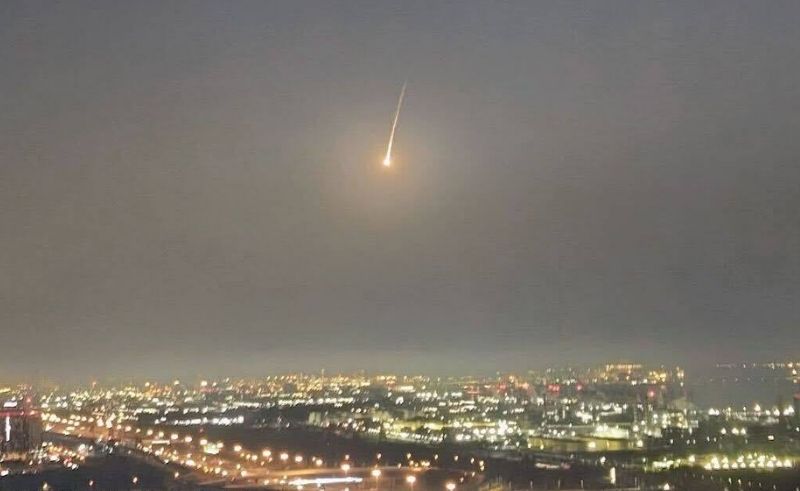
The GCC’s financial markets have opened with significant volatility on Sunday with escalating tensions between Iran and Israel shaking investor confidence across the region. The geopolitical friction has triggered an immediate reaction on major indices, with the Dubai Financial Market and Saudi Arabia’s Tadawul reflecting heightened risk premium now being factored into regional equities. The shift marks a sharp departure from the stability of recent trading sessions, as the prospect of a wider regional conflict unfolds.
The primary concern for market participants remains the potential for disruption to energy infrastructure and maritime trade routes. While oil prices often provide a hedge for Gulf economies, the current volatility is driven by the threat of supply chain interference and increased insurance costs for shipping. Analysts have noted that the duration of this instability will depend on the scale of any military response and the effectiveness of international diplomatic efforts to resolve, or at least, contain the situation.
In the banking and real estate sectors, which have stood as traditional indicators for regional economic health, trading volumes have shifted toward decidedly more defensive positions. Institutional investors appear to be de-risking portfolios in anticipation of a prolonged period of uncertainty - a move that suggests a cautious approach to capital allocation, as the cost of borrowing and the appetite for new large-scale projects could be impacted if regional tensions remain elevated through the fiscal quarter.
Despite the downturn, the financial infrastructure of the GCC remains liquid. Central banks and regulatory bodies in the region have established frameworks designed to manage sudden shocks, providing a level of structural resilience against capital flight. However, until there is a clear de-escalation in the military conflicts, Gulf markets are expected to remain sensitive to unfolding events, with high intra-day volatility likely to persist.