

Egypt Cybersecurity Startups Building the Country’s Digital Defenses
As Egypt’s digital economy expands, a new wave of cybersecurity startups emerges, developing tools for penetration testing, AI threat detection, and training the next generation of security experts.

Digital transformation in Egypt has accelerated dramatically over the past decade. Banks are moving services online, fintech platforms are scaling rapidly, and government initiatives are pushing more public services into digital channels. With that growth has come an unavoidable reality: a much larger attack surface for cybercrime.
As companies expand their digital operations, the need for specialized cybersecurity tools and talent has become more urgent. Businesses across sectors—from fintech and e-commerce to telecom and logistics—are investing more heavily in threat detection, vulnerability testing, and cloud security. Startups have stepped into that gap, building platforms that monitor the dark web, test infrastructure for weaknesses, train cybersecurity professionals, and protect web and mobile applications from increasingly sophisticated attacks.
The ecosystem is still young compared with larger tech markets, but momentum is building. Egyptian cybersecurity startups are beginning to secure venture funding, develop proprietary security technologies, and expand beyond domestic clients into the Gulf, Europe, and North America. The companies below represent some of the most notable ventures currently operating in the country, each approaching cybersecurity from a different angle—from talent development and offensive security to AI-driven threat detection.
CyberTalents
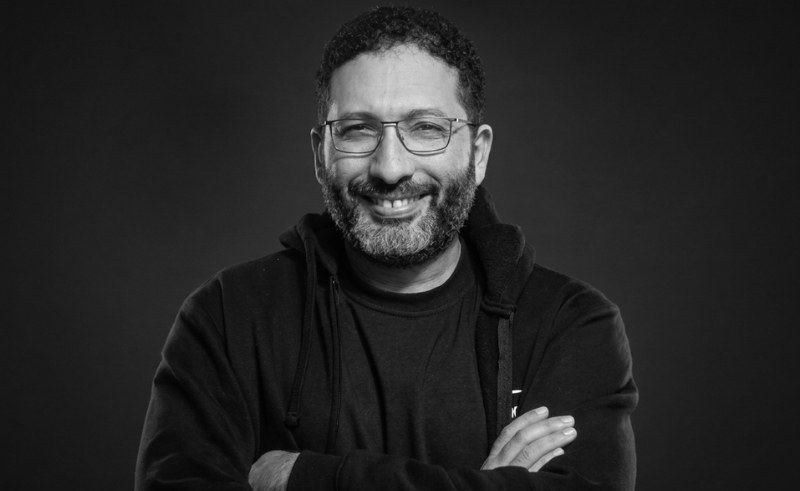
Few Egyptian startups have focused as heavily on the human side of cybersecurity as CyberTalents. Founded in 2017 in Cairo, Egypt, by Moataz Salah, the company has since expanded its footprint across MENA and the USA. It built its reputation around a problem that organizations around the world are struggling with: a shortage of skilled cybersecurity professionals. The platform evaluates and trains security specialists through hands-on technical challenges and Capture-the-Flag competitions, allowing companies to identify qualified talent through real-world testing rather than traditional résumés. Its most recent disclosed funding was a $25K grant secured in November 2022.
Over time, CyberTalents has grown into one of the region’s largest cybersecurity talent communities, connecting enterprises with vetted professionals while also running training programs and security competitions. The company reached a milestone in 2026 when it became the first cybersecurity company to receive Egypt’s official government “Startup Label,” recognition granted under the country’s national framework supporting innovative technology companies.
Buguard

Cybersecurity startup Buguard has carved out a niche in offensive security and dark-web monitoring, helping organizations uncover vulnerabilities before attackers do. Founded in 2021 in Cairo, Egypt, by cybersecurity researcher Youssef Mohamed, the company has since expanded its reach across MENA, Singapore, and Las Vegas. It assembled a team of engineers and security analysts focused on penetration testing, vulnerability assessment, phishing simulations, and threat intelligence.
In 2023, the Cairo-based company raised $500,000 in seed funding in August, led by regional venture capital firm A15 with participation from angel investors. The round marked Buguard’s first external investment after operating as a bootstrapped startup since its launch.
The company has also introduced a SaaS product called Dark Atlas, designed to scan dark-web marketplaces and compromised devices for stolen credentials and malware activity. Buguard already counts several major Egyptian fintech and technology companies among its clients, including Paymob and Fawry, and has expanded its customer base globally across markets such as the United States, the United Kingdom, and the Gulf.
Shieldfy
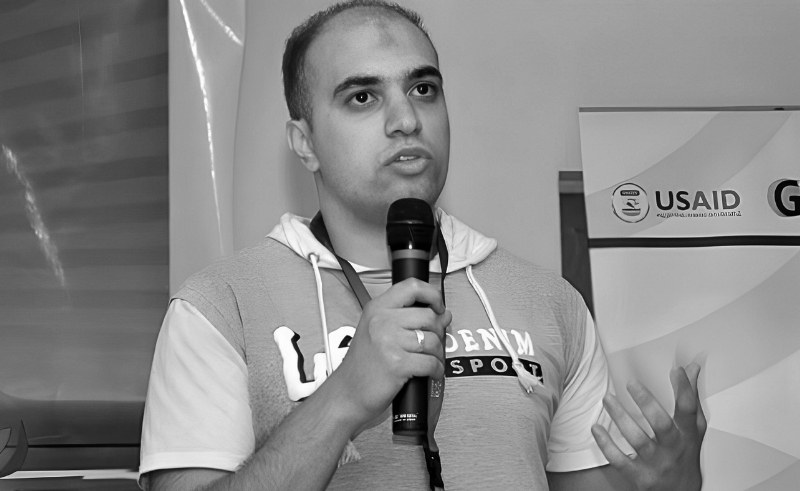
Security threats targeting web applications have become one of the most common attack vectors on the internet, a problem that inspired the creation of Shieldfy. Founded in 2016 in Alexandria, Egypt, by Eslam Salem and Mahmoud Shawareb, the startup has since expanded its reach across MENA, North America, and Italy. The founders, both developers, set out to build a platform capable of protecting websites from hacking attempts, malware injections, and server-level vulnerabilities.
Shieldfy developed a cloud-based security layer designed specifically for developers and startups, integrating directly into web environments to monitor suspicious activity and block malicious behavior in real time. The company last raised a pre-seed round in June 2018, with early backing from venture firms such as Arzan Venture Capital and 500 Global, reflecting growing interest in developer-focused cybersecurity tools across emerging markets.
RASPIRE

Mobile applications are increasingly central to digital services—from banking and payments to e-commerce and healthcare—and that expansion has created new security challenges. RASPIRE, founded in 2024 in Cairo, Egypt, by Kareem Selim, focuses on securing those applications during runtime, protecting them against reverse engineering, tampering, and data theft. The company operates across MENA and San Francisco.
The Cairo-based startup built its technology around a Mobile Security-as-a-Service (MSaaS) model that allows developers to embed security protections directly into their apps without extensive manual configuration. The platform monitors threats in real time and helps companies identify vulnerabilities that could expose sensitive user data. By targeting the mobile layer—an area often overlooked by traditional cybersecurity tools—RASPIRE addresses a rapidly expanding attack surface in the digital economy.
SAFE ME
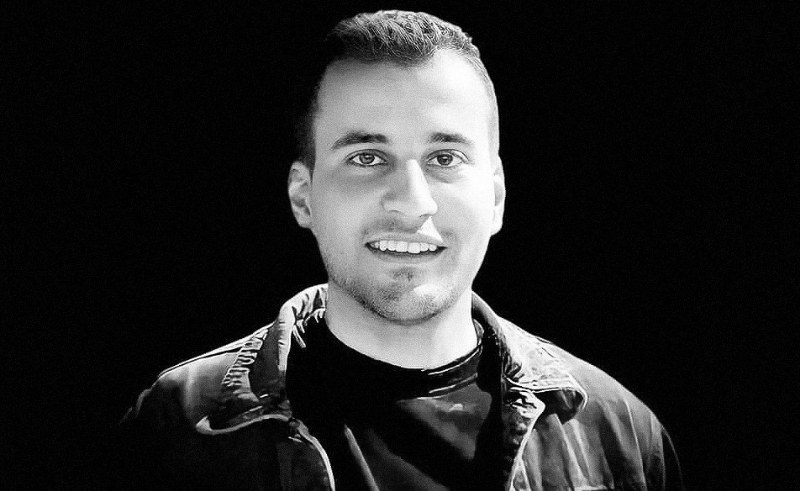
Privacy protection sits at the core of SAFE ME’s cybersecurity philosophy. Founded in 2024 in Cairo, Egypt, the startup focuses on tools that allow individuals and organizations to safeguard sensitive information across digital platforms. Operating across Egypt, its technologies include systems designed to shield confidential data, remove metadata from shared files, and prevent unintentional leaks of personal or corporate information.
The company has appeared at international cybersecurity events such as Black Hat Middle East and Africa, positioning itself within the region’s broader security ecosystem. While still an early-stage venture, SAFE ME reflects a growing demand for privacy-first cybersecurity tools as data protection regulations and digital risks continue to evolve.
THE WHITEGUARD
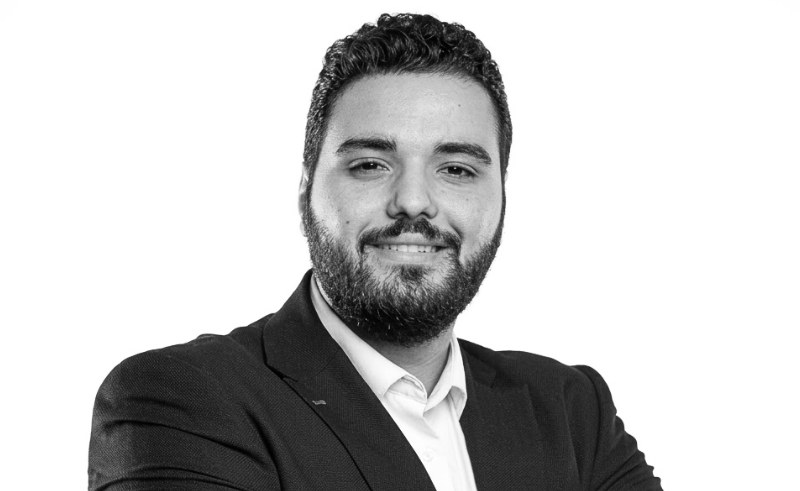
Artificial intelligence is becoming an increasingly important component of modern cybersecurity systems, and THE WHITEGUARD is among the Egyptian startups building security tools around that idea. Founded in 2025, the company operates across MENA and the UK. It develops AI-powered threat detection platforms aimed at sectors where digital infrastructure carries high stakes, including banking, healthcare, and telecommunications.
The startup secured a six-figure US dollar pre-seed round in May 2025, capital intended to accelerate product development and support expansion across the Middle East and Africa. Its technology focuses on identifying suspicious activity patterns within complex digital environments, helping organizations respond more quickly to emerging threats.
- Previous Article French Automotive Firm Valeo Launches AI Development Hub in Cairo
- Next Article DIFC to Become World's First AI-Native Financial Centre