

Dubai's HashKey MENA Pilots Stablecoin Payment Corridor to Africa
The initiative will test blockchain-based trade settlements between the Middle East and African markets.
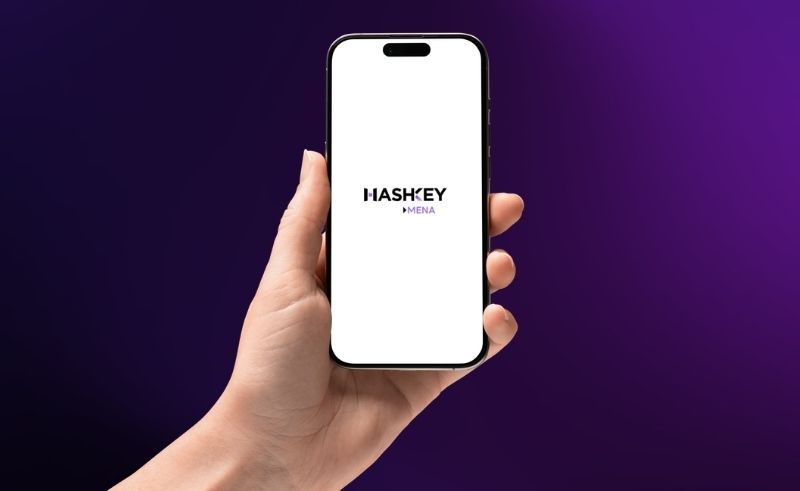
HashKey MENA, a Dubai-based virtual asset exchange licensed by the Virtual Assets Regulatory Authority (VARA), has launched a pilot programme to test stablecoin-based business payments between the Middle East and Africa.
The company has signed a Corridor Pilot Agreement with the Aptos Foundation to develop a B2B payment corridor in partnership with Daya, a pan-African stablecoin payments platform. The initiative will allow businesses to explore cross-border trade settlement using the Aptos Layer 1 blockchain.
The pilot aims to address challenges faced by companies operating across Gulf and African markets, including foreign exchange friction, high transaction costs and slow settlement times.
Under the framework, Daya will provide local payment infrastructure and support transactions involving the Nigerian naira and other African currencies. The system will also incorporate SWIFT and bank wire capabilities, virtual local-currency accounts and payment APIs for direct integration with corporate systems.
HashKey MENA will provide regulated AED, USD and multi-currency on- and off-ramps to stablecoins, operating within VARA's licensing requirements and compliance framework.
According to the companies, the programme will be implemented in two phases. The first will allow multinationals to fund local payments by converting currencies at one end of the corridor and settling at the other. The second phase is intended to establish a broader B2B trade settlement network in which stablecoins serve as the primary settlement asset.
Execution support for the project will come from the Aptos Foundation, which is helping to facilitate cost-efficient transactions across the protocol.
The initiative expands HashKey's Asia Connect network into Africa. Since launching its first stablecoin corridor between Hong Kong and the Philippines in 2025, the network has expanded into Southeast Asia and the Middle East, with collaborations in Vietnam and the UAE.
- Previous Article G42 & Banco Santander Explore AI Partnership for Banking
- Next Article Integra & SettleMint Partner on Real Estate Tokenisation in UAE & US