

Willma is Turning Egypt’s Chaotic Fitness Habits Into One System
For this installment of NextGen, our series spotlighting emerging entrepreneurs across the region, we focus on Cairo-based startup Willma.
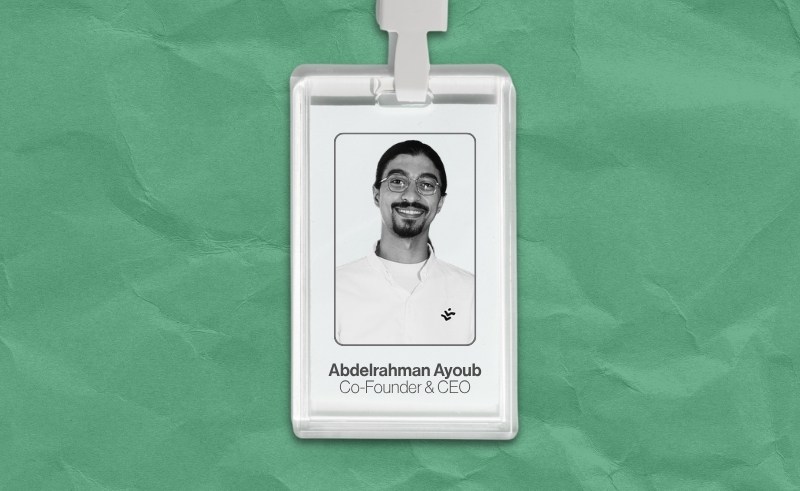
For this installment of NextGen, our series spotlighting emerging entrepreneurs across the region, we focus on a Cairo-based startup taking on Egypt’s disjointed fitness and wellness journey, an often-overlooked problem hidden behind the language of discipline and consistency.
Beyond a place to find trainers, nutritionists, and meal plans, however, Willma is trying to bring the entire health journey into one digital ecosystem, from AI-powered nutrition tracking to workout plans, progress monitoring, and eventually wearable integrations.
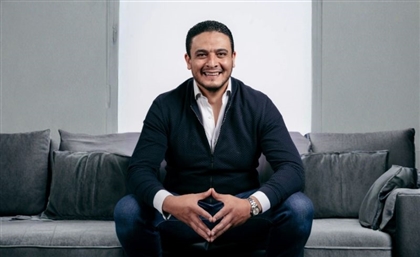
Willma began as an attempt by co-founders Abdelrahman Ayoub and Fady Gharbawy to solve a problem both obvious and deeply under-served, long before its official launch in January 2026.
The spark was the realisation that the average Egyptian trying to become healthier navigates a fragmented path. They might start with a trainer on social media, then ask friends for recommendations. A nutritionist sends a meal plan via WhatsApp. Calories get tracked on a different app. Workouts come from YouTube; advice comes from ChatGPT. And between all of that, they’re also searching for a gym, buying supplements, and trying to make sense of it all. For Willma, fitness is not a motivation problem, but an infrastructure problem.
“The journey of the user who wants to take care of his health is very long, very fragmented, very hectic,” Ayoub tells StartupScene. “We say people are not disciplined, but the reality is that they are lost. They don’t know where to start, who to trust, what to eat, or how to keep track of everything.”
This gap became clear to Ayoub in July 2023, after years of working in fitness and online training. Having previously worked at the Egyptian Space Agency before moving into SaaS tools for online trainers, Ayoub had already seen how difficult it was for health professionals to scale their services. Ashraf, meanwhile, came from a technical background in embedded systems and automotive software, having worked on large-scale technology projects at Vario. Together, they brought a combination of health industry proximity and technical execution that shaped Willma’s early direction.
The first version, however, was far from the seamless ecosystem they had imagined. Like many young startups, Willma initially tried to build everything at once: nutrition tracking, trainers, vendors, period tracking, supplements, smart devices, workout plans, and an expansive marketplace. The result, by Ayoub’s own admission, was a Frankenstein product, a crowded application where nothing quite worked as intended.
“We thought it was the best thing in the world, that it would break the world in three days,” says Ayoub. “No one used it. Looking back at it now, it was hideous.”
That failure forced the founders to narrow their focus. Rather than solving the entire health ecosystem at once, Willma began by prioritising the most immediate parts of the journey: access to online trainers and nutritionists, structured meal and workout plans, easier follow-up between users and consultants, and nutrition tracking for people who either did not want a consultant or simply wanted to understand what they were eating.
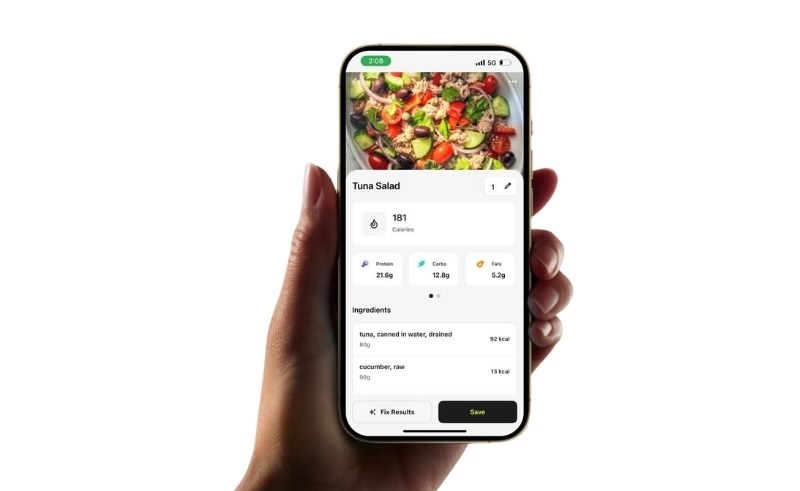
Their most distinct feature so far is AI-powered meal scanning. Instead of manually entering every ingredient or guessing calories, users can scan their food and receive analysis on calories and macros, with the app designed to better recognise Egyptian meals and local food habits. The App Store listing similarly positions Willma around instant meal scanning, detailed macro tracking and a community-led health experience, while the company’s website describes it as a one-stop wellness destination for the MENA region.
The company’s next stage is focused on deeper integration. Willma is planning to connect with wearables such as Apple Watch, Fitbit and Whoop, while also exploring integrations for diabetic users through glucose sensors, allowing doctors and patients to track health indicators more closely inside the platform. In the long term, the ambition is far larger: to reach more than 10 million users across the Middle East.
“We need to listen to the customers,” Ayoub states. “If we actually give value, the rest comes easy.”
For a generation already comfortable asking AI what to eat, how to train, and whether their habits are healthy, Willma is betting that the future of wellness will not be another isolated app inside a crowded fitness folder, but one connected ecosystem that quietly makes the whole journey easier to sustain.