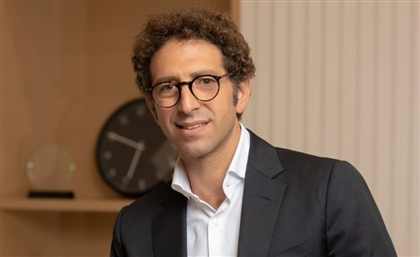


LAYN Uses 3D Concrete Printing for Egypt’s Construction Demands
The Egyptian startup already has the biggest developers in the country hooked on their proprietary tech.
LAYN, an Egyptian 3D concrete printing startup, operates on a simple premise: that concrete can be beautiful. Not only do they have the technology to back up that statement, but they’ve convinced a whole industry of their vision. As the first movers in Egypt’s 3D-printed concrete market, they now count among their clients the biggest developers in the country, from SODIC to Orascom to Emaar, and have raised $1 million in a pre-seed funding round led by Dar Ventures.
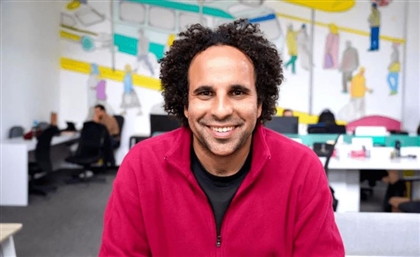
“Concrete is the second most consumed material on Earth,” Zeyad Zein, LAYN’s co-founder and CEO, tells StartupScene. “Instead of brutal cubes and boring homes, why don’t we use it in a way that capitalizes on the technology we now have? Why can’t we live in beautiful spaces?”
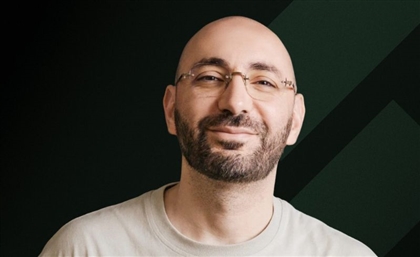
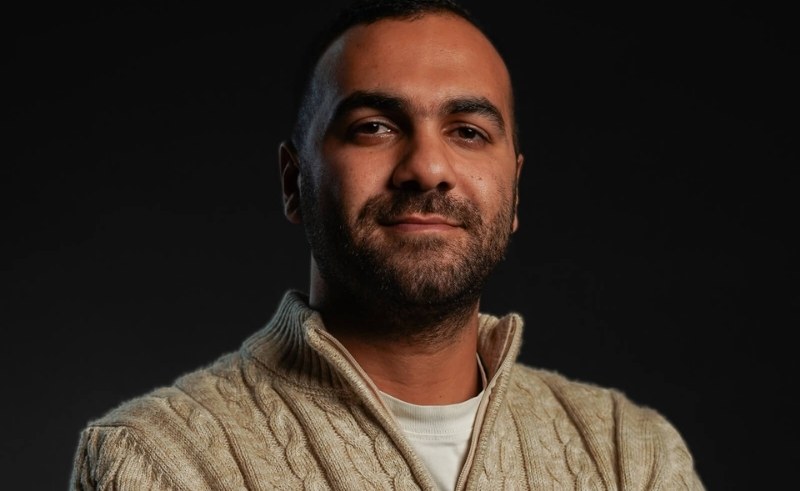
In 2025, Zein was featured on Forbes 30 Under 30, which is how many of his colleagues learned he was only 25 years old. While Zein studied construction engineering in university, he describes himself as an entrepreneur by trade. It is his co-founder, LAYN CTO Mohamed El-Hashemy, who brings a decade of experience working in 3D printing across the Middle East. Zein describes their fruitful partnership like a marriage.
“I was the young passionate guy, the fundraiser with a big network in real estate, and Mohamed was the tech guy who had already made all the mistakes before, making sure we wouldn’t repeat them again. There was very good chemistry.”
Now, with a team of roughly 60 employees split between their office and their first factory in Cairo, LAYN has optimized the technology they’ve been developing since their founding in 2024, technology which includes not only building their own 3D printers, but also the right materials, or ‘ink’, to feed it.
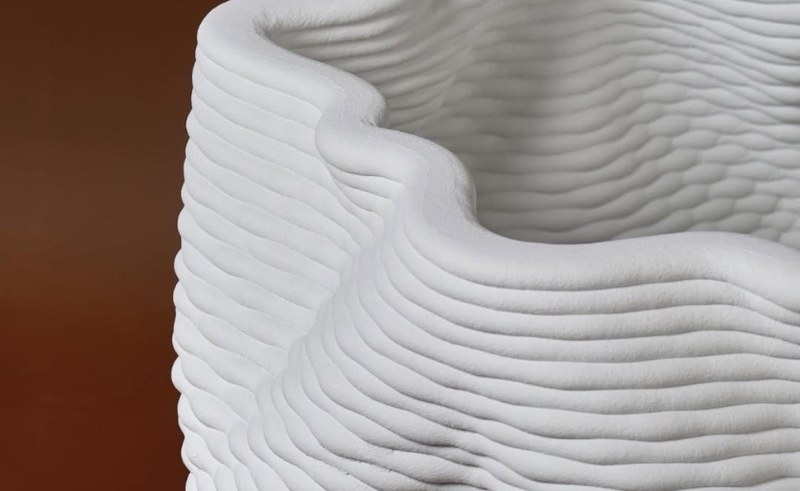
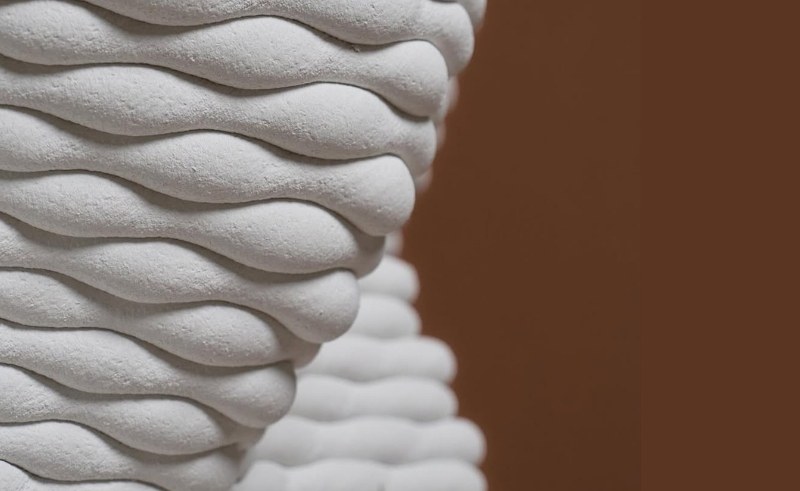
“The materials in 3D printed concrete are very different than in conventional methods,” Zein explains. “Plain concrete consists of 3-5 components whereas 3D printed concrete has 15 components per cubic meter. That’s our secret sauce. We’ve received M&A offers because of this IP, and the tech we’ve built in the last 18 months.”
The key to LAYN’s success is two-fold: the first is that their technology is completely homegrown. “We built the entire company itself in terms of software, hardware and materials, we didn’t just import it from abroad.” Having built the proprietary tech from the ground up, the result is not only that they know its potential more completely, but they are able to deliver their product to developers at a fraction of the cost compared to if they had imported the technology from Europe or the United States.
The other key to their success, according to Zein, is that they avoided many of the mistakes other startups in this field have made. “Other startups began by trying to 3D print homes right away, but in our opinion that’s wrong,” Zein says. “The technological readiness is not there yet, and at the end of the day the family that lives in that space needs to be convinced.”
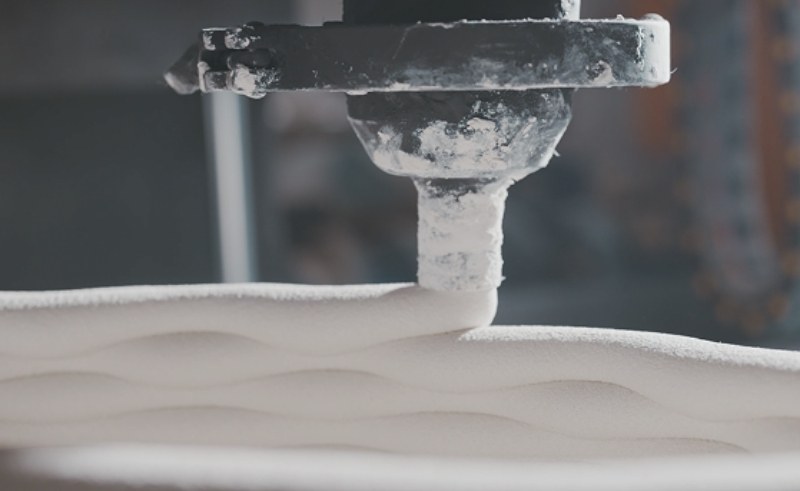
Across three verticals - LAYN Urban Life, LAYN Walls and LAYN Buildings - Zein and El-Hasemy started with Urban Life, which encompasses all the urban furniture outsides of residential units, like planters, bus stops, signages and benches. Their Printing-as-a-Service model means that LAYN takes care of the entire process, from designing, sourcing the material, printing and installation.
For developers, this technology has not only proven to be cheaper, but faster. “With how much Egypt is expanding and new cities like Ras El Hekma which is bigger than Abu Dhabi, how are you going to build it within 10-15 years?” Zein asks. “You need new technologies like 3D printing. The traditional way won’t do it.” Zein also points to Gaza, where years of genocide have decimated the urban landscape, as a potential humanitarian application for 3D printed concrete.
Besides speed, this approach also allows for mass customization. “Anything you want to build with concrete would normally need a mould, but not in 3D printing. You can print 100 products that are all different from each other at no additional cost.” Because it does not require moulds or formwork (such as a support structure made of wood), it also reduces material consumption by up to two-thirds, which is another of LAYN’s selling points: the enhanced sustainability of it.
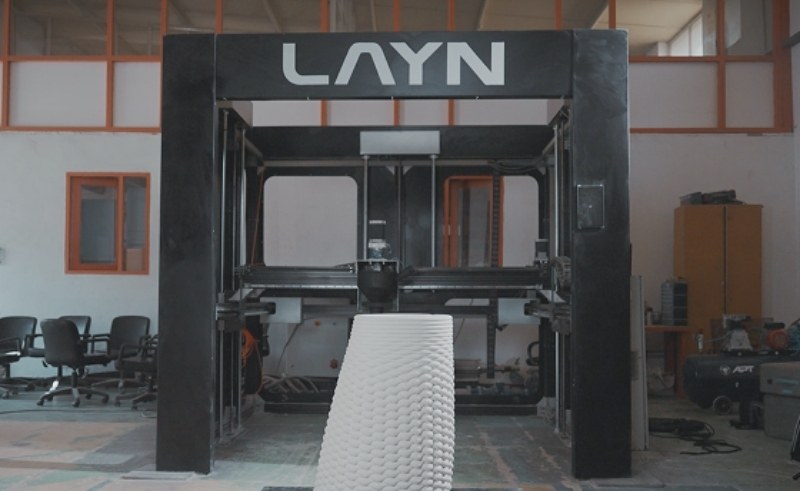
With three of their Solaris v2 printers currently operational, LAYN is planning to add more printers soon to their Cairo-based factory and expand their operations. They are also looking to launch two more factories across Egypt, one by the Red Sea, and one along the north coast. Where they launch first will be subject to demand.
“There’s no real estate market like Egypt’s,” Zein says, “the demand here is crazy.” In his view, the market in Egypt is so huge that he sees LAYN continuing to primarily focus their efforts within the country. But with interest already coming in from developers in Dubai, it may only be a matter of time before they consider regional expansion. In either case, Zein’s projection for the coming five years is confident and optimistic: “LAYN will 100% dominate this technology, if not globally, then in the MENA region.”