

Fintech Startups Rebuilding Cross-Border Payments in Emerging Markets
From digital wallets to virtual IBANs, these fintech innovators look to make cross-border payments in the MENA region seamless.

For decades, moving money across emerging markets has been notoriously slow, fragmented and expensive. In the Middle East and North Africa today, traditional banking infrastructure has still left large segments of society underbanked or facing some of the highest remittance fees in the world. For businesses in the region, growth and market penetration can be stunted by a lack of unified payment rails in economies that have only recently begun transitioning to cashless. Now, however, a new wave of founders is rewriting the playbook.
From deploying digital wallets that bypass broken banking systems in Lebanon to building virtual B2B IBAN networks out of Dubai, these fintech innovators aren't just tweaking the existing system—they are completely rebuilding it. Backed by major regional VC funds and boasting some of the highest valuations in the region’s startup ecosystem, they are transforming how capital flows across borders to help people and businesses alike.
Here are the fintech startups leading the charge and rebuilding cross-border payments in emerging markets.

Purpl
Founders: Wissam Ghorra (CEO), Jean-Marie Khoueir (COO), Karl Naïm
Last funding round: $2.5 million in pre-seed funding since founding
In 2021, as Lebanon navigated severe economic troubles, three co-founders came together to democratise cross-border transfers and help Lebanese citizens receive USD from anywhere, anytime, at no cost to users. Purpl, the fintech startup they founded, operates both as a digital wallet and a remittance aggregator that lets users receive money from abroad instantly and cash it out in fresh USD across a network of partner ATMs without needing a traditional bank account.
In a country like Lebanon - which is highly dependent on foreign remittances, but where the cost of remittance is among the highest in the world - Purpl’s low-fee/no-fee model for recipients has quickly differentiated it from competitors like Whish Money, Neo and Suyool.
 Balad
Balad
Founders: Adham Azzam (CEO), Mohamed Assem (CPTO), Sally Asaad (COO)
Last funding round: Seven-figure pre-seed round in May 2023
Balad’s goal is simple: to break down financial barriers for migrants as well as their underbanked families back home.
Their core product not only reduces cross-border transfer fees for migrants, but seeks to simplify digital remittances and offer instantaneous receipt of income for families. Based in Egypt, Balad’s target audience include the more than 400 million African adults who lack access to essential banking services, many of whom are migrants in host countries across the GCC and send remittances back home to Egypt and the rest of Africa.
In 2023, Balad raised a seven-figure pre-seed round led by Acasia Ventures and which included other investors like Launch Africa and Future Africa.
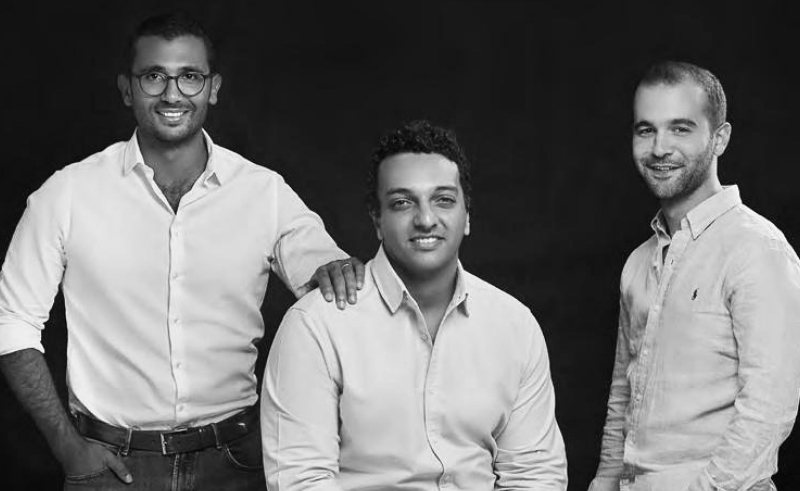 Paymob (Egypt)
Founders: Islam Shawky (CEO), Alain El-Hajj (COO), Mostafa Menessy (CTO)
Last funding round: $22 million Series B extension round in September 2024
Established in 2015, Cairo-based Paymob began as a platform aimed at building digital infrastructure for cash-dominant economies, which Egypt was at the time. In the decade since, however, Paymob has rapidly grown into a leading payment gateway in the Middle East as well as Pakistan.
At its core, Paymob provides digital payment solutions for businesses of all sizes, but they also white-labelled a digital wallet that allowed businesses to better access emerging markets. In September 2024, Paymob secured $22 million in an extension round that brought their total Series B funding to a staggering $72 million.
Though Paymob was already the market leader in Egypt, this investment round allowed them to further solidify their dominance and penetrate new markets in the region.
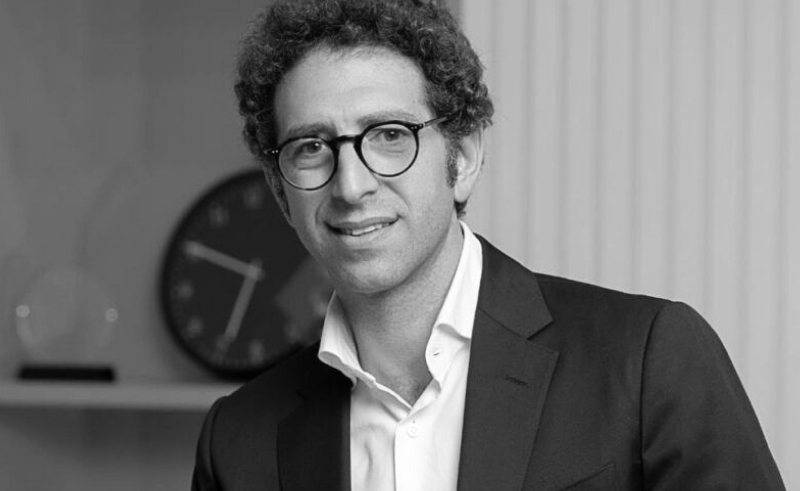 MNT-Halan (Egypt)
Founders: Mounir Nakhla (CEO), Ahmed Mohsen (CTO)
Last funding round: Reached $1.4bn valuation after investment round by Al Ahly Capital
Founded in Egypt in 2017, MNT-Halan was created with the vision to digitally serve underserved and underbanked communities and revolutionise the way financial services are accessed.
Starting from Egypt with a “super app" featuring consumer and business lending, e-wallets, e-commerce and delivery services, MNT-Halan has since grown to Turkey, UAE and Pakistan.
After becoming Egypt’s first fintech unicorn in 2023, MNT-Halan reached a valuation of $1.4 billion following the first closing of a new investment round led by Al Ahly Capital, the investment arm of the National Bank of Egypt
 Fuse (UAE)
Founders: George Davis (CEO), James Smith (CTO)
Last funding round: $6.6 million seed funding in April 2025
Founded in 2023, this Dubai-based fintech provides virtual USD accounts and dirham-denominated IBANs to global businesses looking to operate in MENA markets without setting up local banking relationships.
According to its founders, digital IBANs, which are commonplace in Europe, are virtually absent across MENA. From its base in the UAE, Fuse has already enabled direct payments in Egypt, Saudi Arabia and Jordan, and facilitates wholesale foreign exchange for Indian and Chinese companies transacting with the Gulf.
Most recently, Fuse raised a $6.6 million seed round to continue its expansion across the Middle East and North Africa with its cross-border payments API.
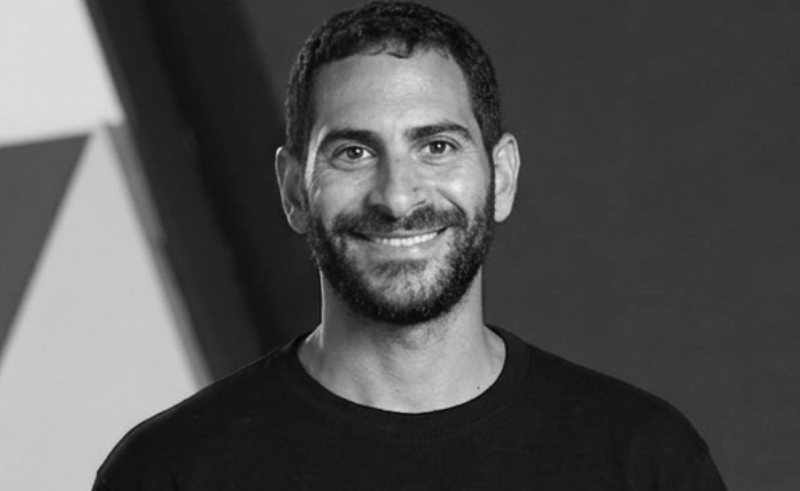 Remi (Egypt)
Founders: A. Tony Amer (CEO), Mohamed Abdou Last funding round: Undisclosed funding round in April 2026
Since its founding in 2025, Remi's goal has been to restructure how cross-border money movement works and remove friction for all parties.
Rebuilding these legacy structures from scratch, the Egypt-founded, Dubai-based startup is developing a liquidity infrastructure layer designed to connect financial institutions directly to local payout networks, allowing transactions to be settled in a matter of seconds rather than days.
Having secured an undisclosed funding round in April 2026 led by Iliad Partners, Remi's goals are not just regional. By 2031, the startup wants to become a fully regulated global infrastructure layer for international payments, with $1 trillion in transaction volume.
 Zand (UAE)
Founders: Mohamed Alabbar, Olivier Crespin
Last funding round: Undisclosed funding round in February 2022
Zand, the first fully licensed all-digital bank in the UAE, was founded in Dubai in 2018. Positioning themselves as a bridge between traditional and decentralised finance, one of Zand's main goals is to make cross-border payments easier for its users in the UAE as well as elsewhere. In 2025, they signed a strategic agreement with Mastercard to achieve exactly that.
Through this partnership, Zand will integrate Mastercard Move's money movement solutions to provide secure global transfers for its customers and simplify international transactions for both individuals and businesses.
 Alaan (UAE)
Founders: Parthi Duraisamy (CEO), Karun Kurien (CPO)
Last funding round: $48 million Series A funding round in August 2025
While Dubai-based Alaan is primarily a spend management platform, the fintech recently launched the UAE's first AI-native business bank account that brings all banking services—including cross-border payments—into one dashboard.
Powered by digital Islamic Bank ruya's Banking-as-a-Service infrastructure, Alaan's effort to make inbound and outbound payments seamless for its users means it allows lUAE transfers and cross-border payments to over 40 countries for zero fees.
Founded in 2021, Alaan's most recent funding round raised $48 million in a Series A funding round led by Peak XV Partners and will enable the fintech to expand its operations across the MENA region beyond just the UAE.
 MyFatoorah (Kuwait)
Founders: Abdullah Aldabbous (CEO)
Digital payments gateway MyFatoorah was founded in 2016 in Kuwait and has since grown into a regional leader with offices in Egypt, the UAE, Saudi Arabia, Qatar, Bahrain, and Oman, as well as remote offices in Lebanon and Jordan.
As the only payment service provider licensed in all GCC countries, their product enables regional and international merchants to accept local payment methods such as Fawry and Meeza through a unified dashboard.
Used by over 75,000 merchants, MyFatoorah gives the small country of Kuwait an outsized role in the region’s fintech landscape.
 Geidea (Saudi Arabia)
Founders: Abdullah AlOthman (Chairman)
Founded in 2008, Geidea is one of the most mature startups on this list. It was created by Saudi entrepreneur Abdullah Al Othman with the vision that digital payments could be transformative for small merchants in Saudi Arabia.
Over the past years, the start-up has proved that this is true not only in Saudi Arabia, but across the MENA region where it has expanded into several countries like Egypt and the UAE. Since 2008, it has also evolved into a leading and fully licensed payment service provider offering digital banking technology, Point-of-Sale (POS) Terminals and business management solutions serving small businesses and financial institutions alike.
Based in Riyadh, Geidea has over 1,000 employees today and serves more than 150,000 merchants.
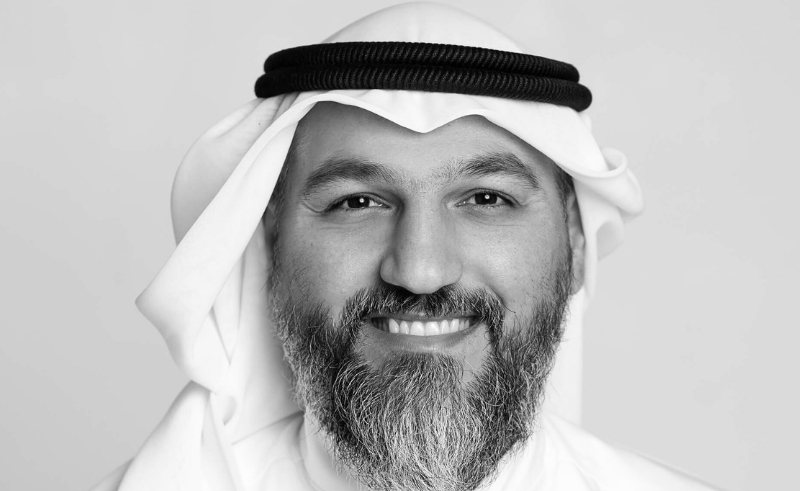 Tap Payments
Founders: Ali Abulhasan (CEO)
When Ali Abulhasan founded Tap Payments in Kuwait in 2014, it was because his time working at payments and telecom companies previously showed him that a huge gap existed in the region in terms of the speed and efficiency of payments solutions.
As a result, Tap Payments is not just about being a comprehensive API for its users, but about simplifying payments and making them easier for all parties. Today, Tap provides online payments for more than 100,000 businesses in nine countries across MENA (including Saudi Arabia, Kuwait, Bahrain, UAE and Qatar, where they have regional offices), and is integrated with over 200 banks and 20 local and international payment methods.
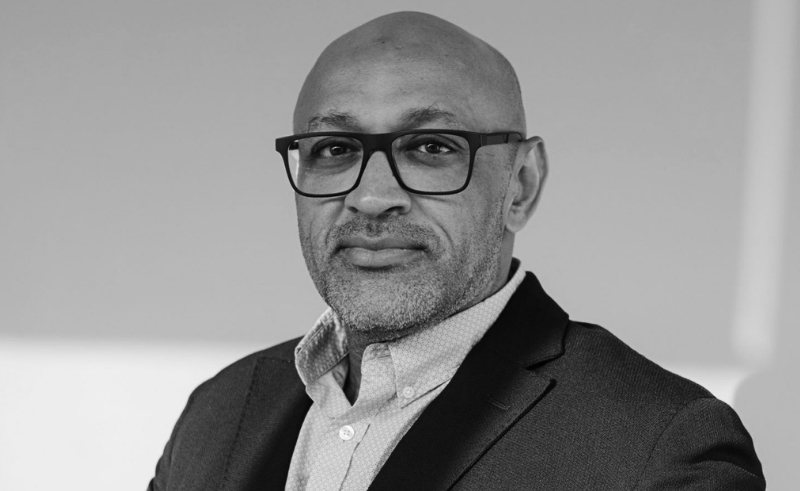 PayTabs
Founders: Abdulaziz Al-Jouf (CEO)
Last funding round: $20 million Series B funding round in September 2017
PayTabs posits itself as a payment infrastructure company powering the future of fintech. Founded in Saudi Arabia in 2014, their AI-powered payment orchestration platform empowers banks, fintech players, enterprises, and government institutions caters, as well to small businesses and freelancers, and operates in seven countries across the region.
In 2018, PayTabs was recognised by Forbes Middle East as No. 1 among “the top 20 Fintech startups to watch,” and since then it has only grown, processing USD $48 billion in transactions.
 Pyppl
Pyppl
Founders: Antti Arponen (CEO), Phil Reynolds
Last funding round: $20 million Series B round in November 2022
Pronounced ‘People’, this UAE-based fintech founded in 2017 enables digital payments for smartphone users across the Middle East and Africa by partnering with banks and other payment networks to build a full-fledged ecosystem.
In essence, Pyypl connects any smartphone owner to the formal financial system, and this vision has made it one of the fastest growing fintechs in the MENA region.

HyperPay
Founders: Muhannad Ebwini (CEO)
Last funding round: $36.7 million funding round led by Mastercard in June 2026
Founded in 2010, Saudi-based HyperPay is a leading all-in-one fintech platform that operates across much of the MENA region, bringing payments, spend management, payouts, invoicing and analytics into one secure ecosystem.
In June 2026, they raised $36.7 million in a funding round led by Mastercard aimed to accelerate their regional expansion efforts and broaden their market reach particularly in Egypt, Qatar and Oman.