

SDM is Decoding the Body’s Secrets Through the Retina
The Saudi AI healthtech startup is turning a veteran ophthalmologist’s expertise into a portable, proactive diagnostic system by using retinal imaging to detect chronic diseases early.
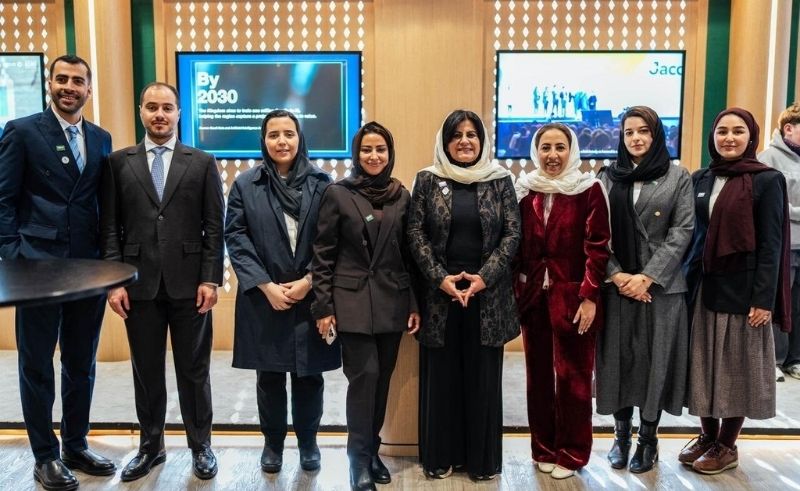
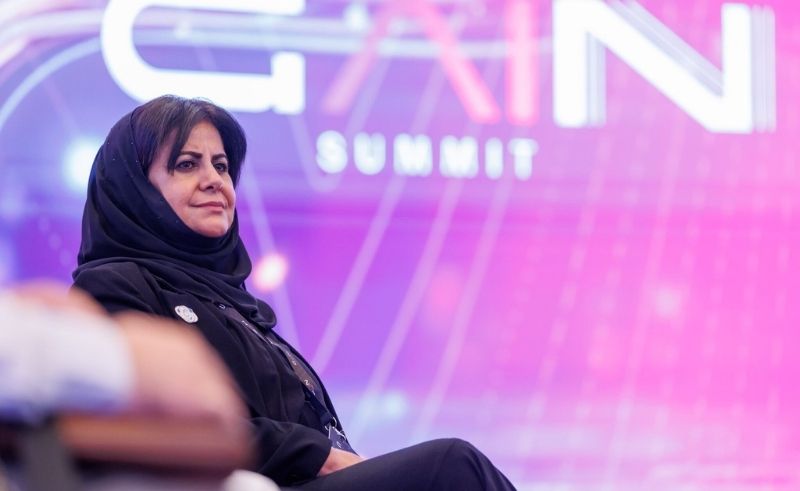
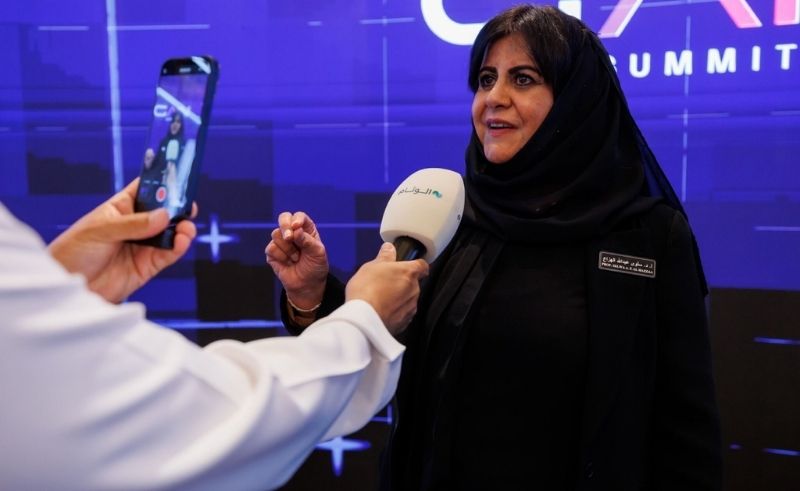
In the solitary moments between patients, Dr. Selwa AlHazzaa began to see a pattern she could no longer ignore. It was there in the late-stage referrals, the irreversible damage, the faces of people who had arrived at her clinic in Riyadh only to be told it was too late to save their sight. For 40 years, she had been a leading ophthalmologist, a professor, and a researcher. Yet the system itself seemed designed to fail the very people it meant to protect, especially those with diabetes. The cruel irony of diabetic retinopathy is its silence; symptoms appear only after permanent harm has begun. By the time a patient noticed their vision blurring, the window for simple intervention had often slammed shut.
In Saudi Arabia, an estimated 5.3 million adults live with diabetes. Studies suggested that between a quarter and half of them were not getting the annual retinal screening that could prevent blindness. The barriers include a scarcity of specialists outside major cities, long wait times, and a simple, devastating lack of awareness that diabetes could steal your sight from the inside out. Dr. Selwa knew the science, but she also knew the human cost. The traditional pathway of medicine, she concluded, was itself a kind of side effect. It was, in her view, indirectly causing harm.
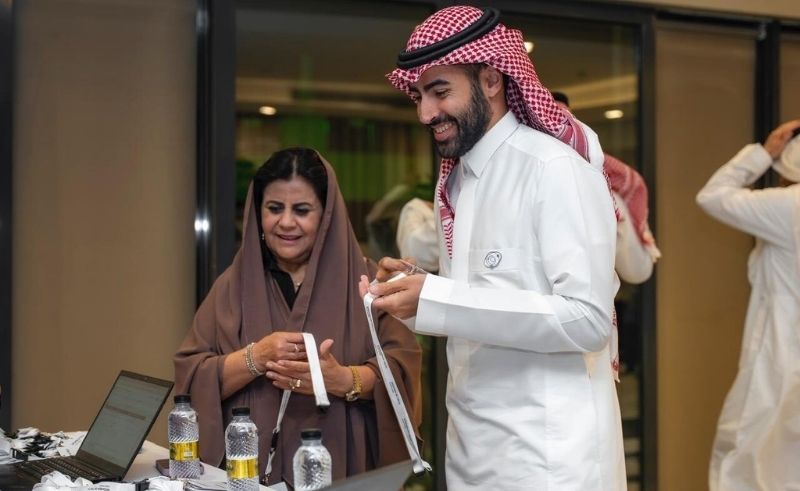
So, at an age when many contemplate retirement, she made a decision that stunned her colleagues. She left the security of the hospital. Her mother, she says, almost had a heart attack. “People thought I was a wacko.” This was 2018, before the pandemic would make the world newly curious about remote diagnostics. Her idea was to take a lifetime of clinical expertise —the subtle ability to read a retina like a map of systemic health— and encode it. To make it portable, instant, and accessible to anyone, anywhere, regardless of proximity to a specialist like her.
She needed a translator, someone who could bridge the profound language of medicine with the equally complex dialects of business, strategy, and scale. She found him at the family dinner table.
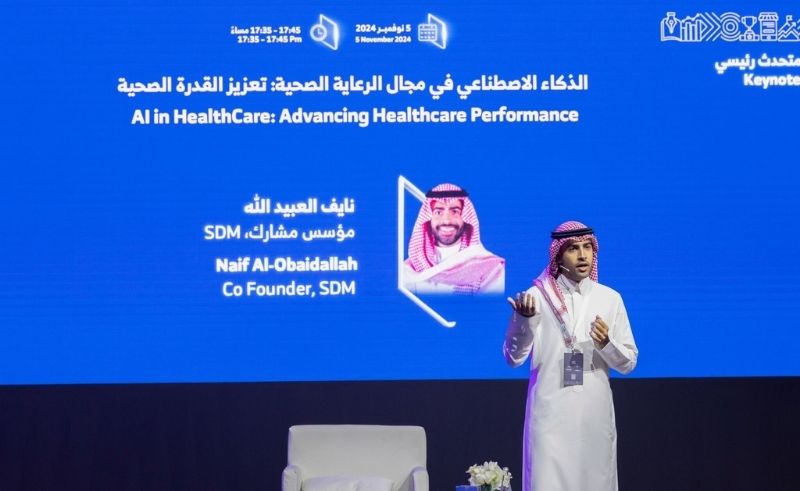
Her son, Naif AlObaidallah had built a career in investment banking and government advisory, structuring financial solutions and stimulus packages. He was, by his own description, living a very structured life. But he shared his mother’s impatience with systems that didn’t serve. He had been working with the Saudi government during the pandemic, designing support for the private sector. “I would sit on a daily basis with small companies, startups,” he says. “And I said, why am I doing this from the other side?” When his mother jumped off the professional cliff, he decided to jump with her. "I'm at ease that my co-founder is my mother. So, inshallah, nothing can go wrong because we trust each other."
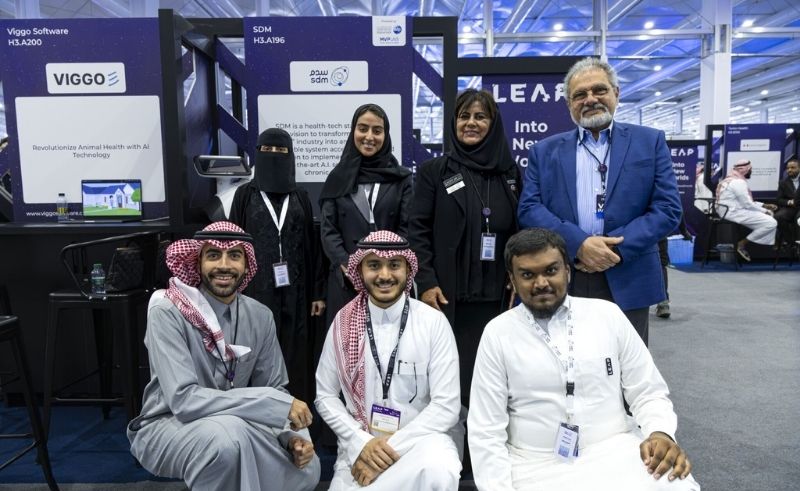
Thus, SDM was born. The founding team being the veteran clinician and professor, and the strategist with a finance pedigree. A fusion of deep, research-grounded medical insight and sharp commercial acumen. They moved with calculated, research-backed precision. "Since day one, we focus on research and we focus on making everything clinically viable. And most importantly, commercialised," Naif states. "We want to make sure that in the long run, it can be viable and turn into a business and make us more sustainable."
Their product, SAARIA, was the direct embodiment of Dr. Selwa’s cloned expertise. The process is deceptively straightforward, allowing a technician, with no ophthalmology background, to take an image of a patient’s retina using a fundus camera. That image is uploaded. Within minutes, an AI-driven analysis returns a report, detecting signs of diabetic retinopathy and other ocular conditions with a sensitivity that Dr. Selwa admits surpasses her own seasoned eye.
Rather than a direct-to-consumer play, SDM integrated its system into the fabric of existing care, particularly where the need was greatest. They partnered with charity associations and healthcare providers across the Kingdom— from Jizan to Hail, Rafha to Tabarjal. In these settings, often serving underprivileged and remote communities, the screenings are provided free of charge. The value proposition for the healthcare system is a powerful, scalable, highly accurate screening tool that decouples expert diagnosis from geographic location, reduces wait times from months to minutes, and prevents costly, complex interventions down the line.
Naif’s commercial mind ensured this mission had a sustainable engine. SDM secured a landmark achievement with the Council of Health Insurance to establish the first-ever billing code for an AI diagnostic service in Saudi Arabia, paving the way for institutional reimbursement. The company gained accreditation from the Saudi Data and AI Authority (SDAIA), a crucial stamp of approval for an AI provider. Support came from flagship entities like NEOM, which incubated them early on, the Ministry of Communications, and The Garage, Riyadh’s vast startup hub.
But SDM’s vision always looked beyond a single disease. The retina, as Dr. Selwa often says, is a window to the body. The same AI and deep learning principles powering SAARIA are being trained to detect other systemic and chronic diseases from that retinal window such as glaucoma, hypertension, cardiovascular risks, even Alzheimer’s. They have launched SAMIA for AI-powered mammogram analysis, and Sadeem, a generative AI tool that transcribes doctor-patient conversations in real time, freeing clinicians from note-taking. Another LLM-based product, Diabetic Advisor, acts as an always-available resource for patients and practitioners with questions.
Their generative AI tool, Sadeem, which transcribes doctor-patient conversations, faced a uniquely local hurdle. "That's the harder part," Naif explains. "We're doing it using Saudi data. Someone would be speaking from Qassim and someone else from Riyadh. Everyone is speaking in a different dialect." Building an AI that understands the medical nuances of Saudi Arabic, with all its regional richness, is a formidable challenge they’ve chosen to tackle in-house.
From two founders in 2019, the team has grown to 50 employees who are approximately 90% women, and 80% under twenty-five. "Women are much better engineers, in my opinion." Naif states. It is a vibrant reflection of the national talent pool they aim to develop. Their work has taken them to global stages like the World Economic Forum in Davos, and quite literally, out of this world. In a collaboration that sounds like science fiction, SDM sent retinal microbiome samples on a space mission with SpaceX and NASA, researching the effects of microgravity on eye health.
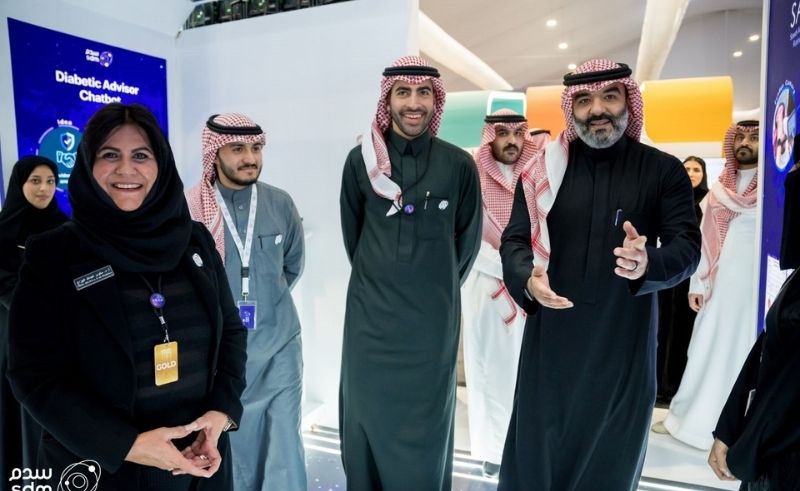
For medical students, junior and veteran doctors, immersed in a culture where “AI will replace us” is a common anxiety masquerading as a joke. "Every single day. That's the struggle," Naif admits. His response: "AI will never take your place. AI is gonna augment your work. It's gonna help you see more patients during the day. It's gonna help you see more critical patients." It’s about reclaiming a doctor’s most finite resource —time— and a patient’s most precious commodity— early insight. It’s about reclaiming the principle that healthcare is a right, not a privilege of geography or birth.
He describes an optometrist who found new meaning in her role using their tools: instead of just taking images for a backlog, she could provide immediate, AI-supported findings and follow-up plans. The technology handles what Naif terms the “scutwork,” the repetitive screening, allowing human skill to pivot toward complex decision-making, surgery, and the nuanced art of care.
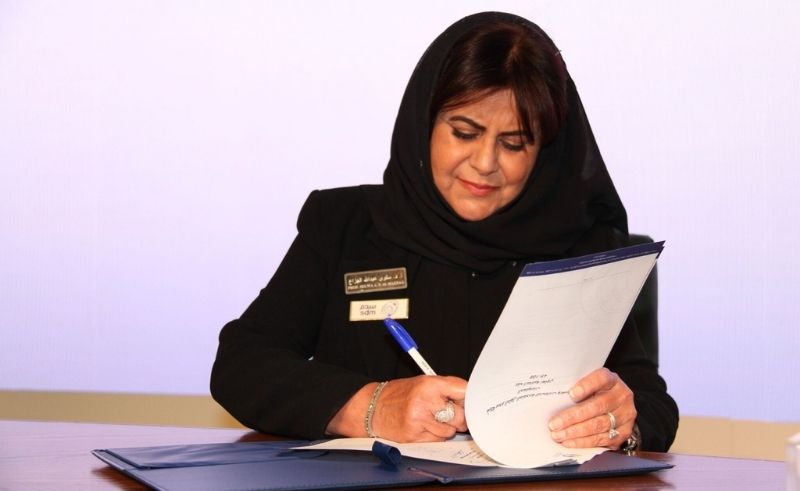
The gap SDM addresses is both educational and human. It is the gap between knowing something in a textbook and accessing that knowledge in a clinic in a remote town. It is the gap between a population-level health statistic and the individual sitting in a chair, unaware that a picture of the back of their eye could tell a story about their heart, their brain, their future. Dr. Selwa AlHazzaa and Naif AlObaidallah built a sturdy technological bridge. And across it, they are carrying a new, more equitable idea of what medicine can be.
- Previous Article Red Bull Basement Final in Cairo Offers Silicon Valley Spot
Related Articles
Trending This Month
-
-
-
 Jan 19, 2026
 -